Most B2B outreach targeting universities misses the actual decision-maker. Here is why college email lists fail — and what higher education marketing data should look like instead.
 0
0


University decision making is more distributed than most vendors realize. Understanding the operational leaders inside colleges reveals who actually evaluates programs, technology, and partnerships.


Higher education buying is shifting toward workforce and applied program leaders. Learn why role-based higher education email lists outperform generic college administrator databases.


Colleges are shifting from degree-centric models to workforce-driven structures. This article explores how CTE expansion and role-based higher education data reflect that transformation.


Colleges no longer compete only at application time. Enrollment strategy now begins in high school partnerships, workforce pathways, and early credential programs.

Colleges are expanding certificates and workforce credentials alongside degrees as students demand flexibility, ROI, and faster pathways to employment.

Colleges are shifting away from program-driven competition toward workforce outcomes, ROI, and career alignment as enrollment pressure reshapes higher education strategy.


Colleges increasingly make decisions based on metrics, not mission. Workforce outcomes and CTE pathways are reshaping which degrees grow, survive, or quietly disappear.

Colleges are rethinking degrees through the lens of workforce outcomes, CTE, and applied pathways as enrollment pressure and ROI concerns reshape higher education strategy.


Academic decisions in colleges are no longer driven only by deans and provosts. This article explains how enrollment, student success, and operations teams now shape direction.

Colleges and universities rely on buying committees, not individuals. This article explains how higher-ed decisions are made in 2025 and why using a targeted college email list or university email list improves engagement and conversions.

Colleges no longer run solely through provosts and deans. This article explains where real influence now lives and why vendors targeting only academic leadership keep missing decisions.

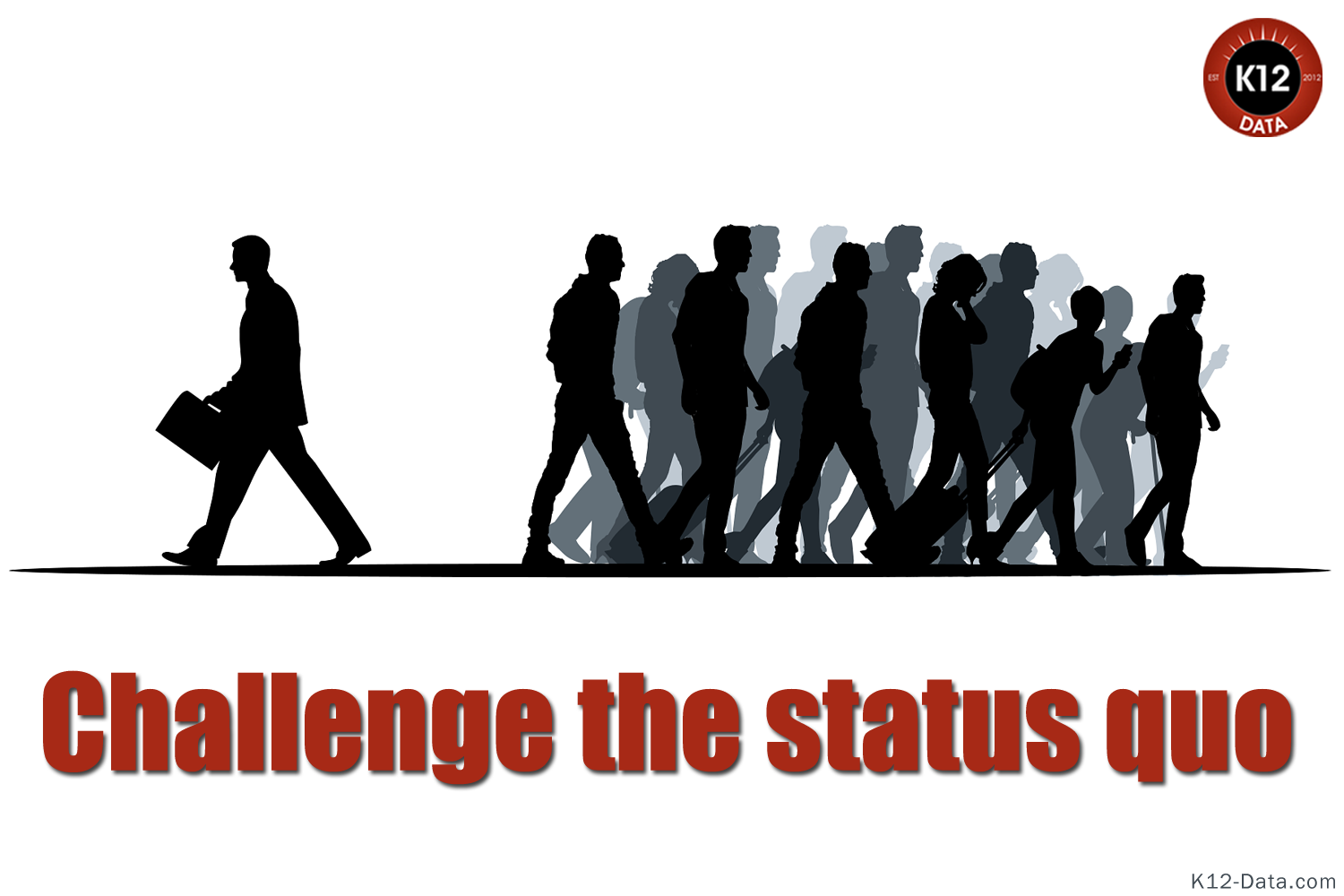
Colleges and universities increasingly rely on a hidden layer of contract, fractional, and outsourced professionals to keep core functions running. This “shadow workforce” reflects deeper structural shifts in higher education, raising important questions about governance, continuity, careers, and how institutions truly operate today.


Enrollment Cliff 2.0 is reshaping both K-12 and higher education. Vendors who use College Leads, K12 Data, and Peertopia together gain unmatched visibility into shifting enrollment, decision-maker roles, staffing shortages, and program demand — enabling smarter outreach and stronger results across the entire K-20 pipeline.


International student enrollment is falling due to tougher visa policies, pressuring tuition-dependent schools. This opens more seats for U.S. students but strains budgets and staffing. K12 Data, College Leads, and Peertopia help institutions pivot by strengthening domestic outreach, enrollment pipelines, and education hiring