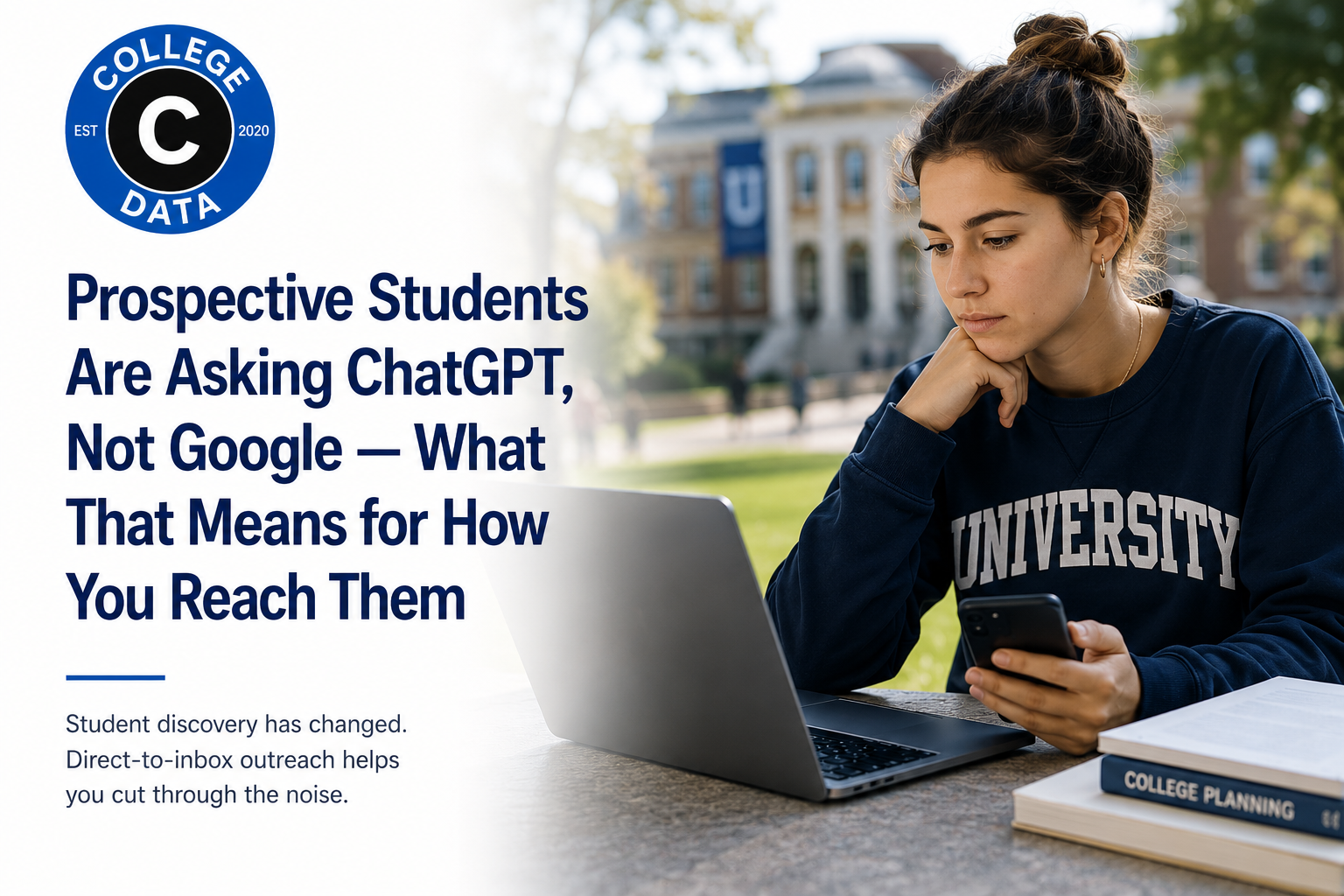
Prospective students now research colleges through AI assistants, not Google. Direct outreach to enrollment and admissions staff matters more as digital discovery fragments.
 0
0


The 2024-25 FAFSA disaster forced enrollment offices to build their own real-time monitoring infrastructure. Those officials are now significantly more skeptical of vendor-supplied data -- and selling to them requires methodology transparency, not outcome claims.

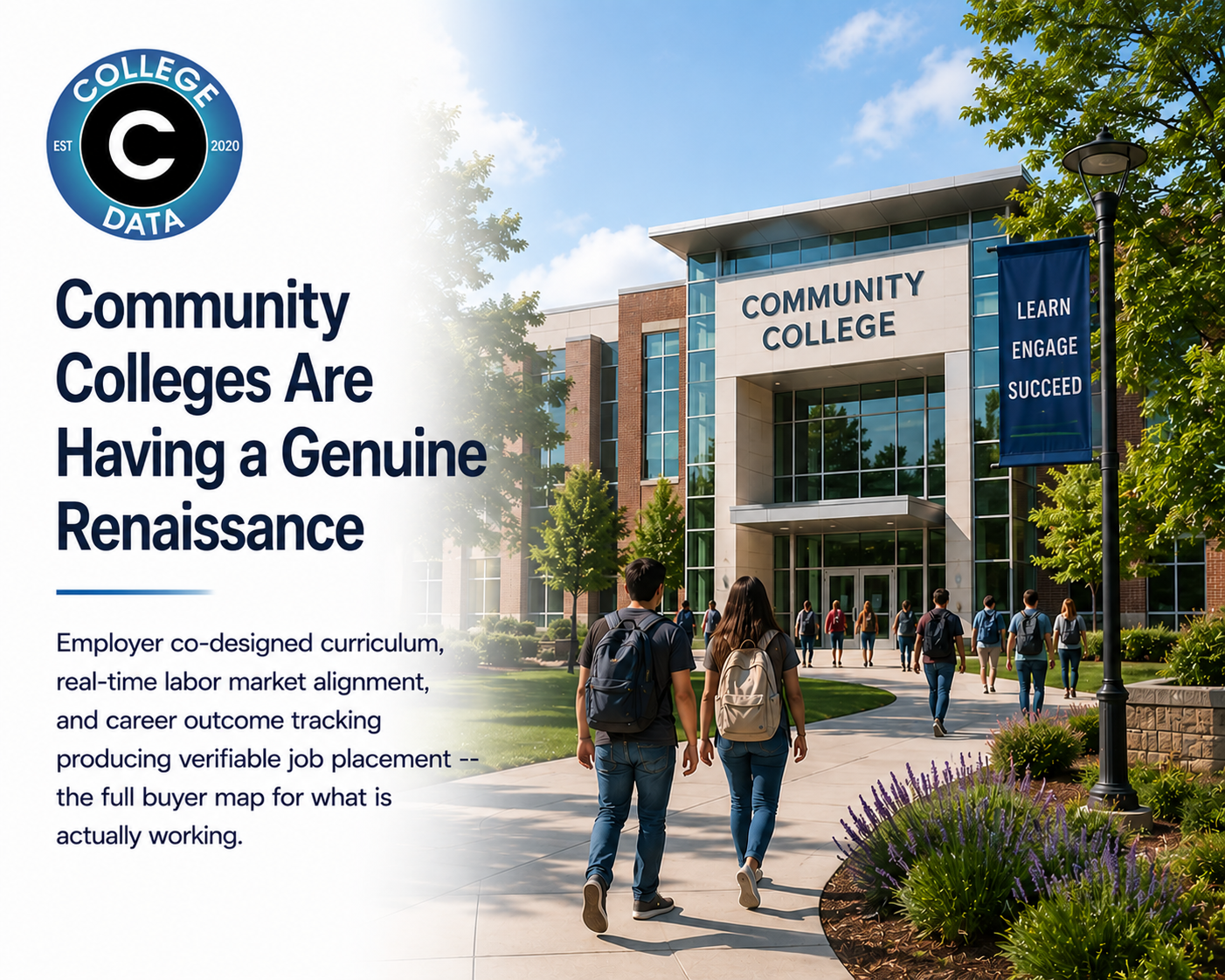
Community colleges were supposed to be losing the narrative to four-year institutions and boot camps. Instead, a meaningful cohort has posted enrollment growth, built employer partnerships, and produced career outcomes that are genuinely turning heads across higher education.

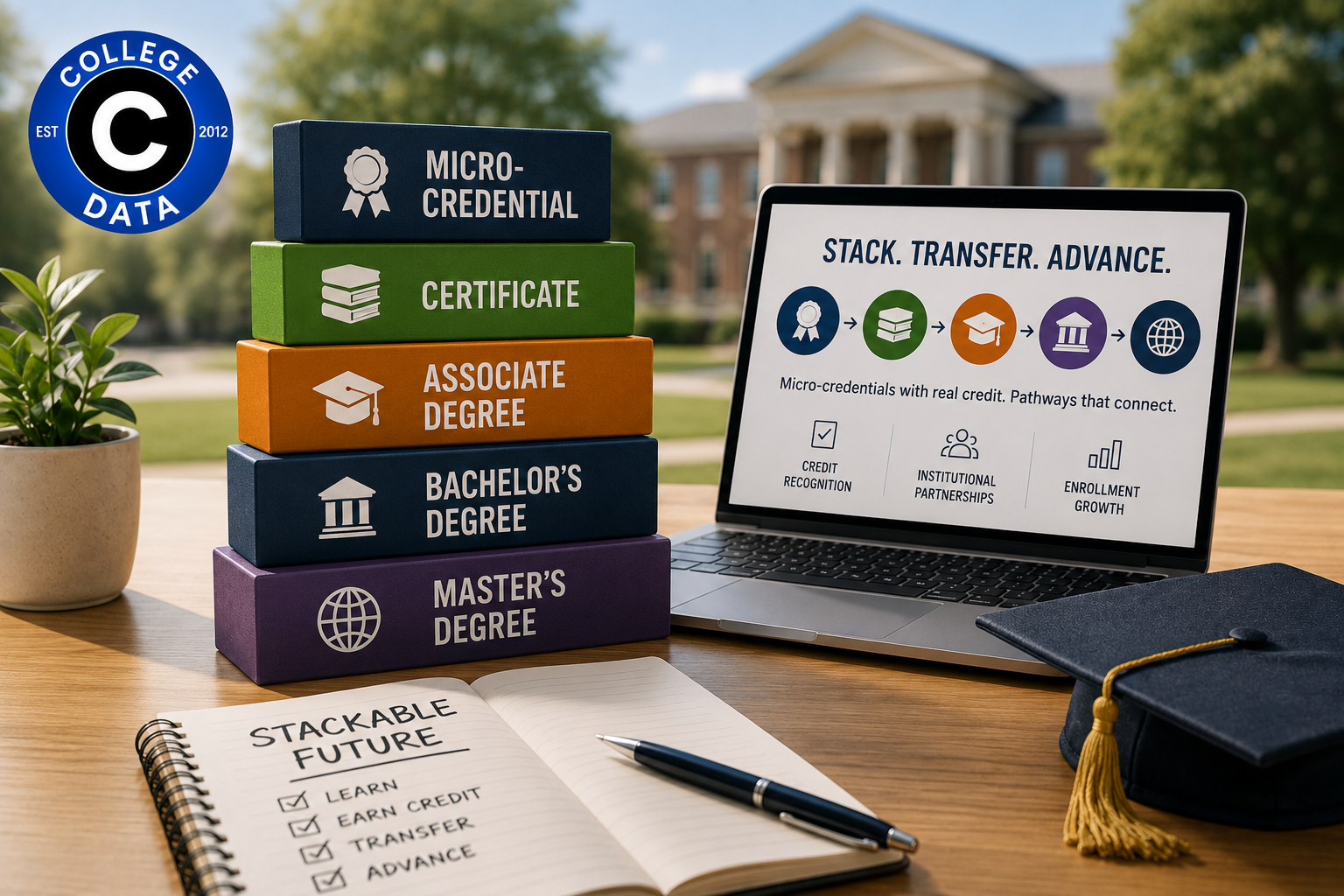
Stackable credentials -- short certificates that earn credit toward longer degrees that earn credit toward advanced credentials -- have gone from a fringe concept to a genuine enrollment and revenue strategy at hundreds of institutions most vendor lists never prioritize.

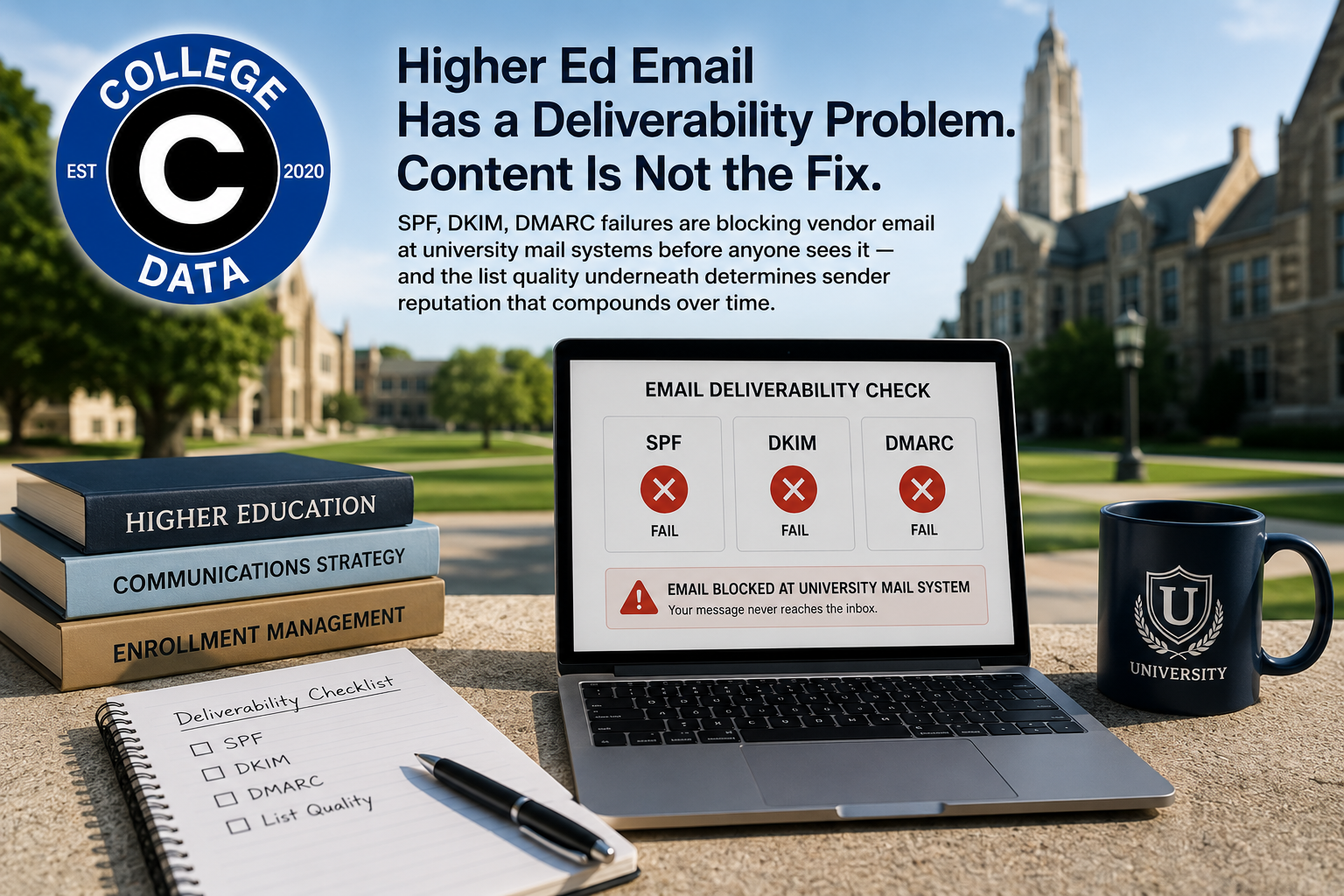
Higher education institutions now filter vendor email aggressively through Microsoft 365 and Google Workspace configurations. Vendors with declining open rates are not losing because their content is bad. They are losing before the email ever reaches the inbox.

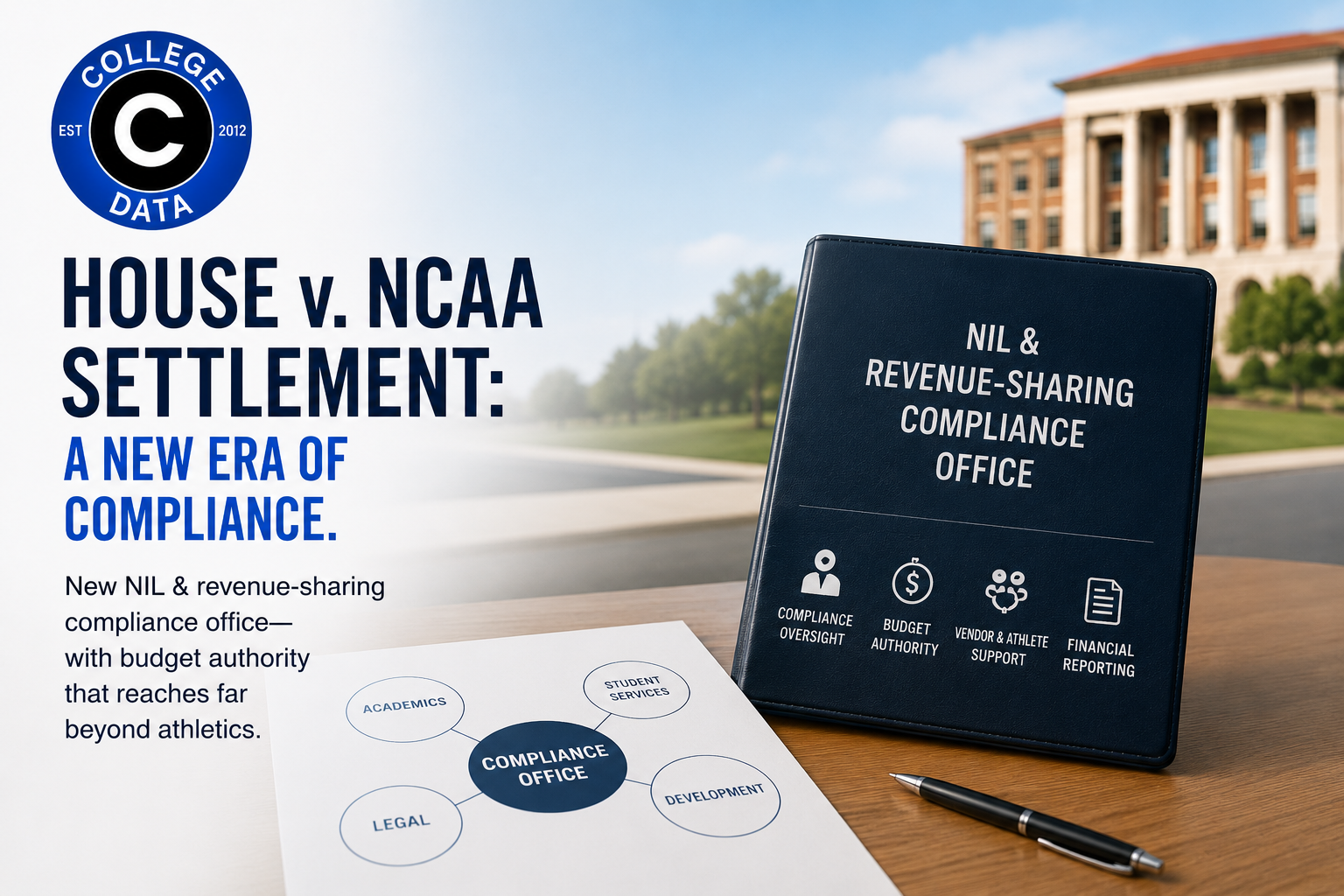
The House v. NCAA settlement created a new revenue-sharing and NIL compliance function at nearly every Division I institution, with its own general manager, its own software

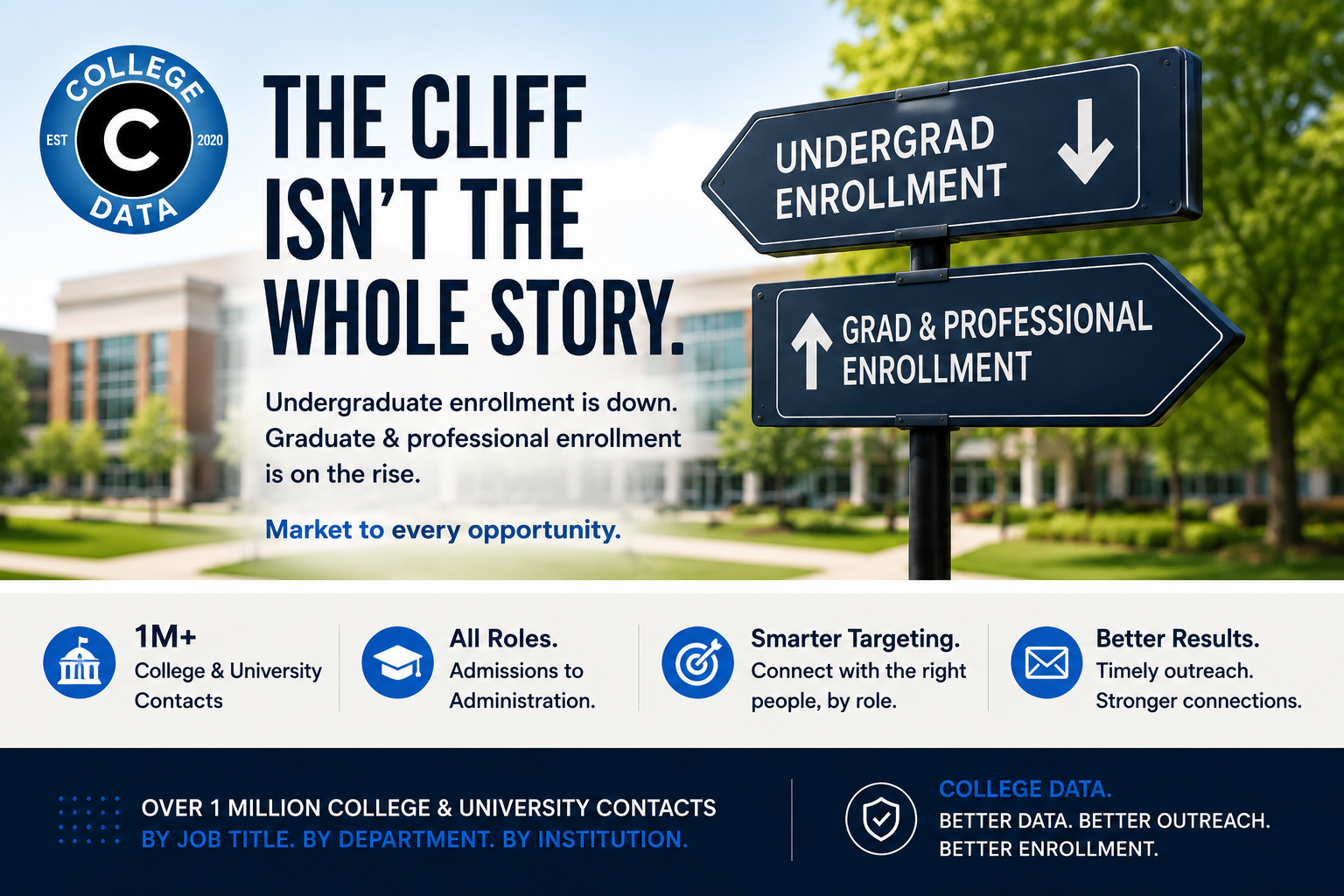
The demographic cliff narrative dominates higher ed coverage, but graduate, professional, and certificate program enrollment is rising at many of the same institutions losing undergraduates -- run by a completely different administrative structure most vendors never reach.

Vendors chase brand-name institutions because they feel prestigious to land. The actual purchasing volume and fastest deal velocity sit at thousands of regional comprehensives and community colleges nobody bothered to target.


Transfer students are 37 percent of undergraduate enrollment with higher graduation rates and lower acquisition costs. Most institutions are still ignoring this market.

Move-in week used to be the quiet season in higher ed vendor sales. Now enrollment-stressed institutions are watching melt rates daily and making emergency retention technology decisions before the semester even starts.

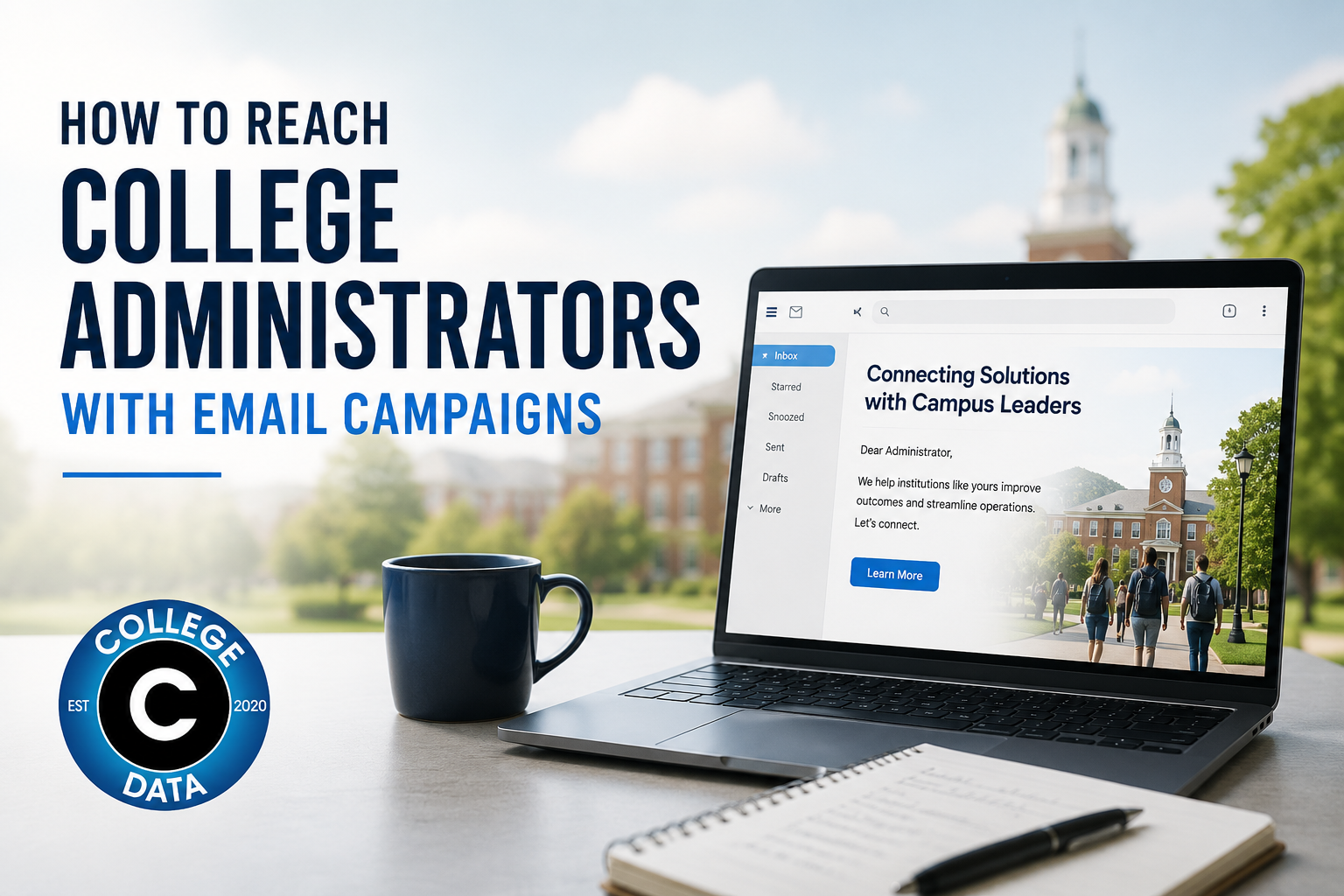
Reaching college administrators requires the right contacts, the right roles, and the right timing. Here is how to build and deploy email campaigns that connect with higher education decision-makers.


Community colleges buy differently than four-year universities. This guide covers the buyer profile, budget cycle, and contact strategy for the fastest-growing segment of the higher education market.

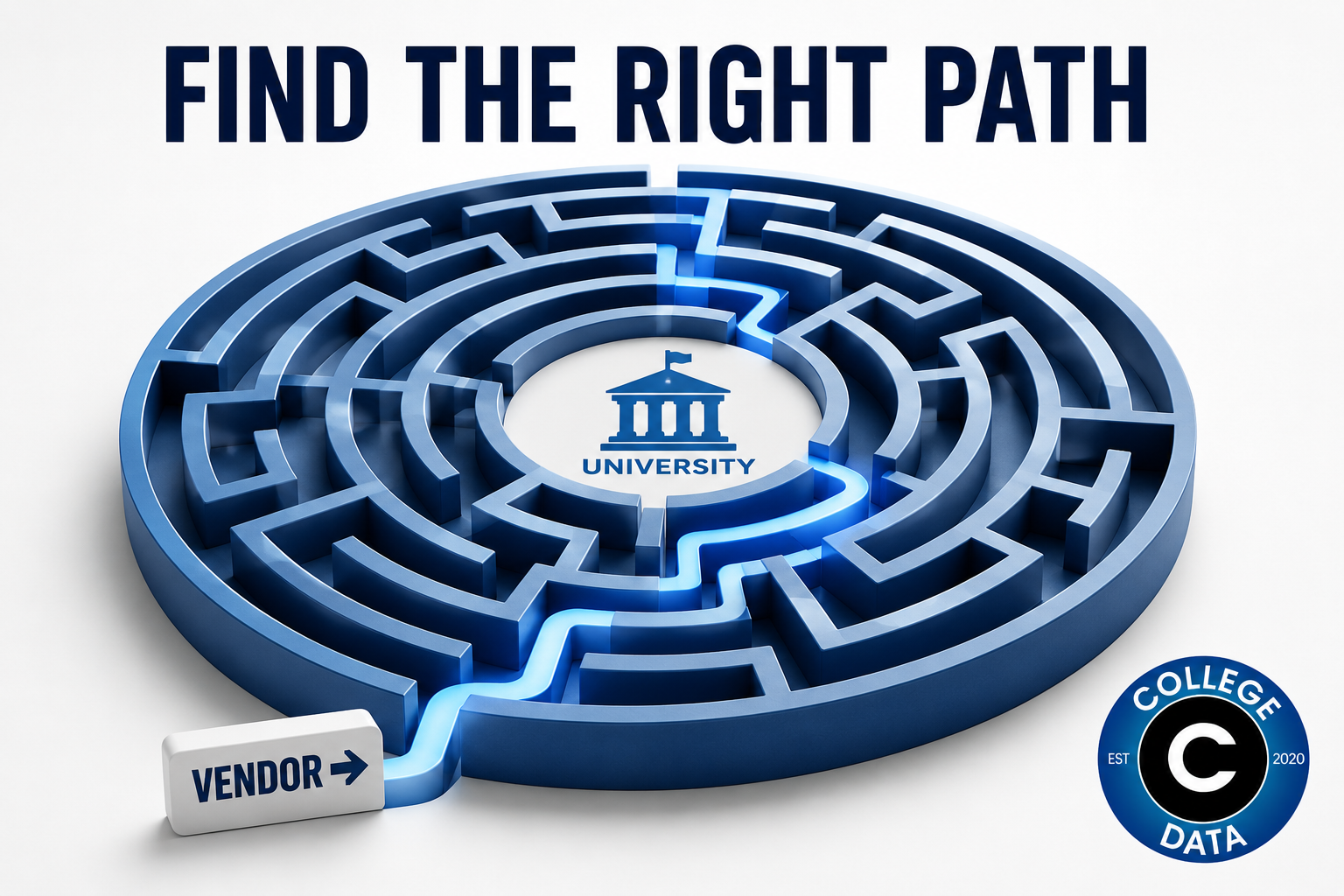
Before you buy a higher education contact database, read this guide. It covers verification standards, enrollment management contacts, segmentation depth, and the questions every provider should answer before you commit budget.

Generic outreach to higher ed administrators does not work. Here is the three-level personalization framework that makes every message feel relevant without writing a unique email for every contact.

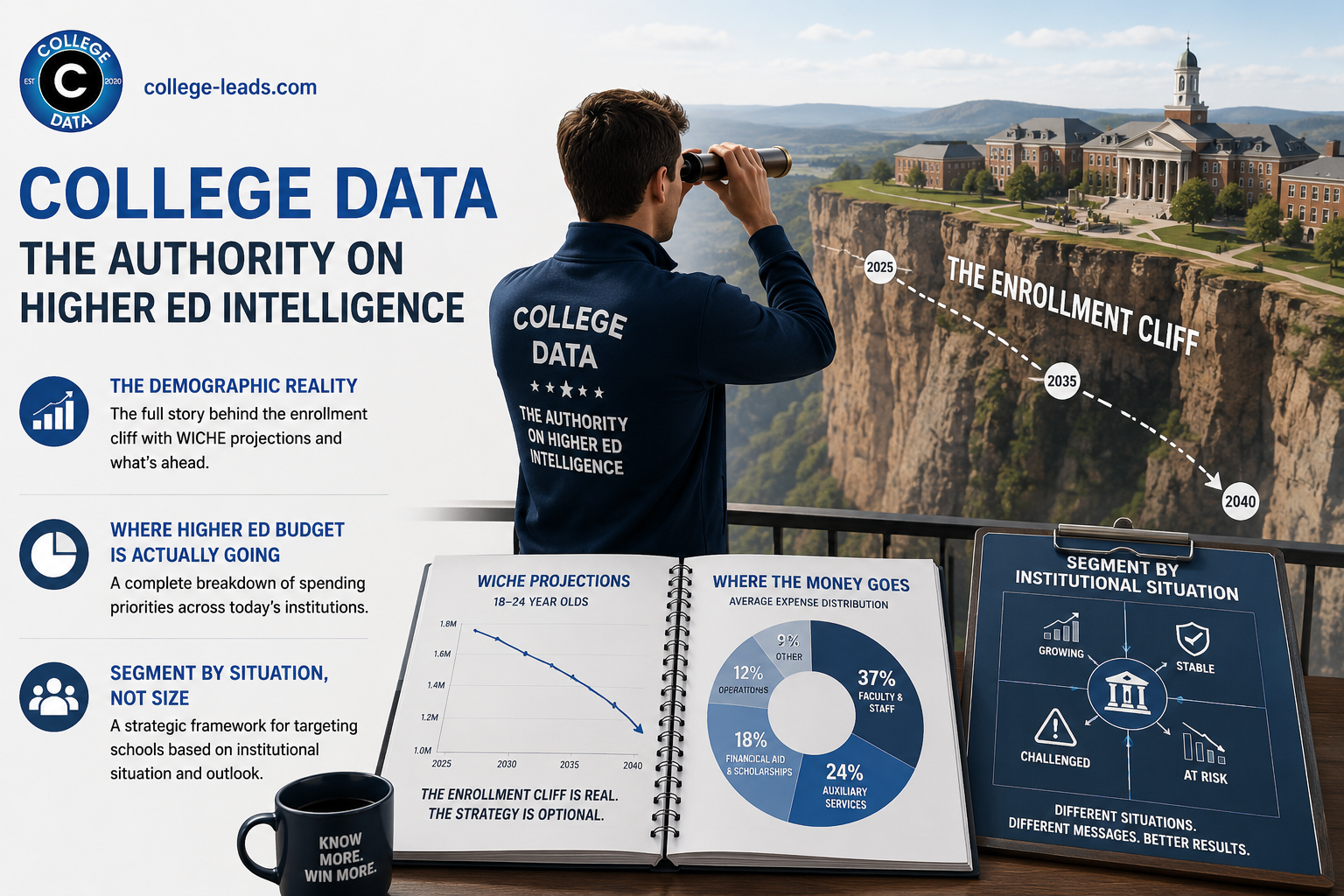
The enrollment cliff is reshaping higher education budgets and buying behavior. Here is how data-driven outreach helps vendors and institutions adapt.