
A complete guide for higher education marketers on buying a verified college and university email list, targeting the right contacts, and getting results.
 0
0


Higher education has a reputation for being impossible to sell into. That reputation is earned by vendors who do not understand how decisions actually get made.

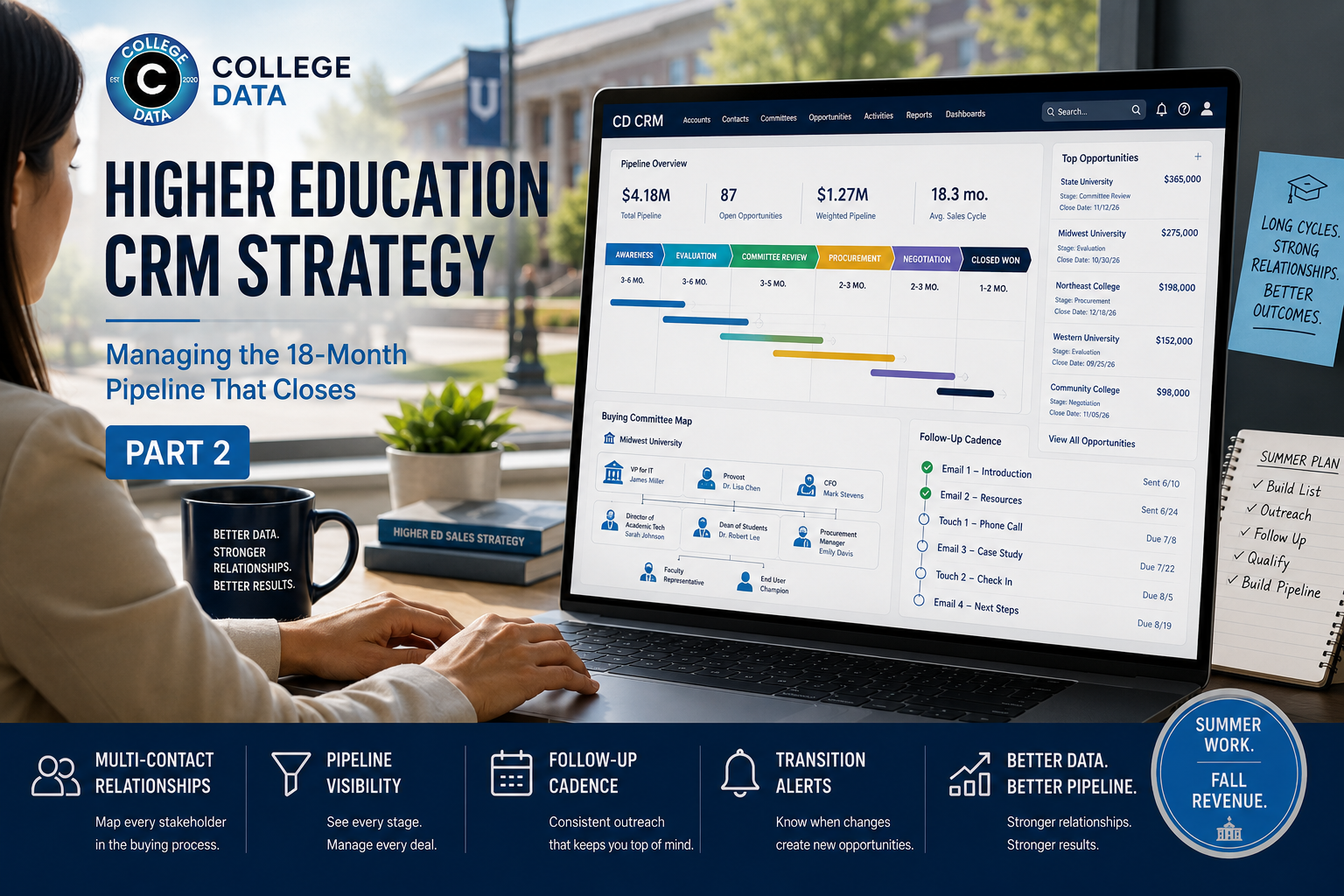
The average higher education technology sale takes 9 to 18 months. Part 2 covers the CRM strategy and follow-up cadence that makes that timeline manageable.

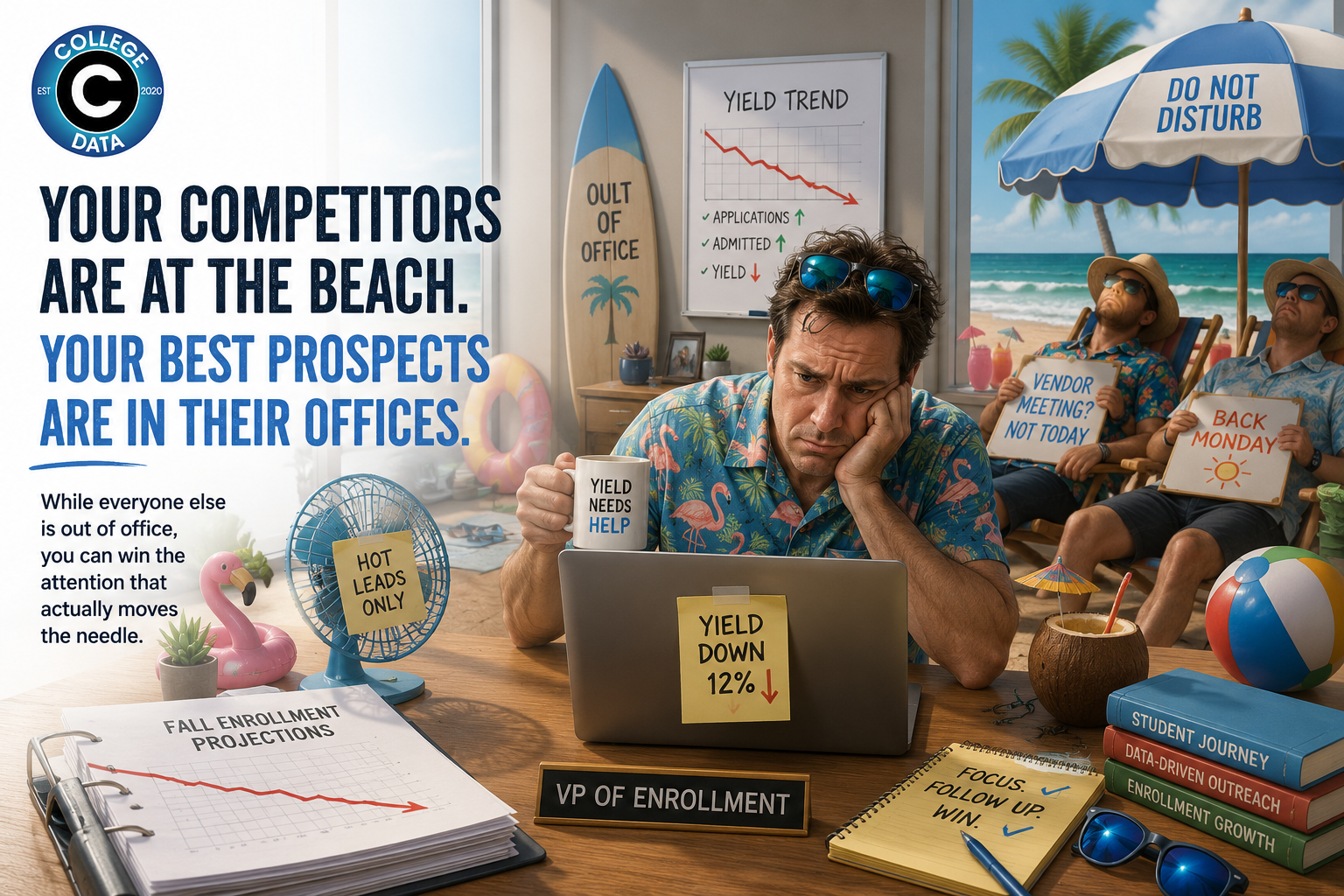
Summer is when college administrators have time to think. Here is how to use your college mailing lists to reach them before your competitors wake up.

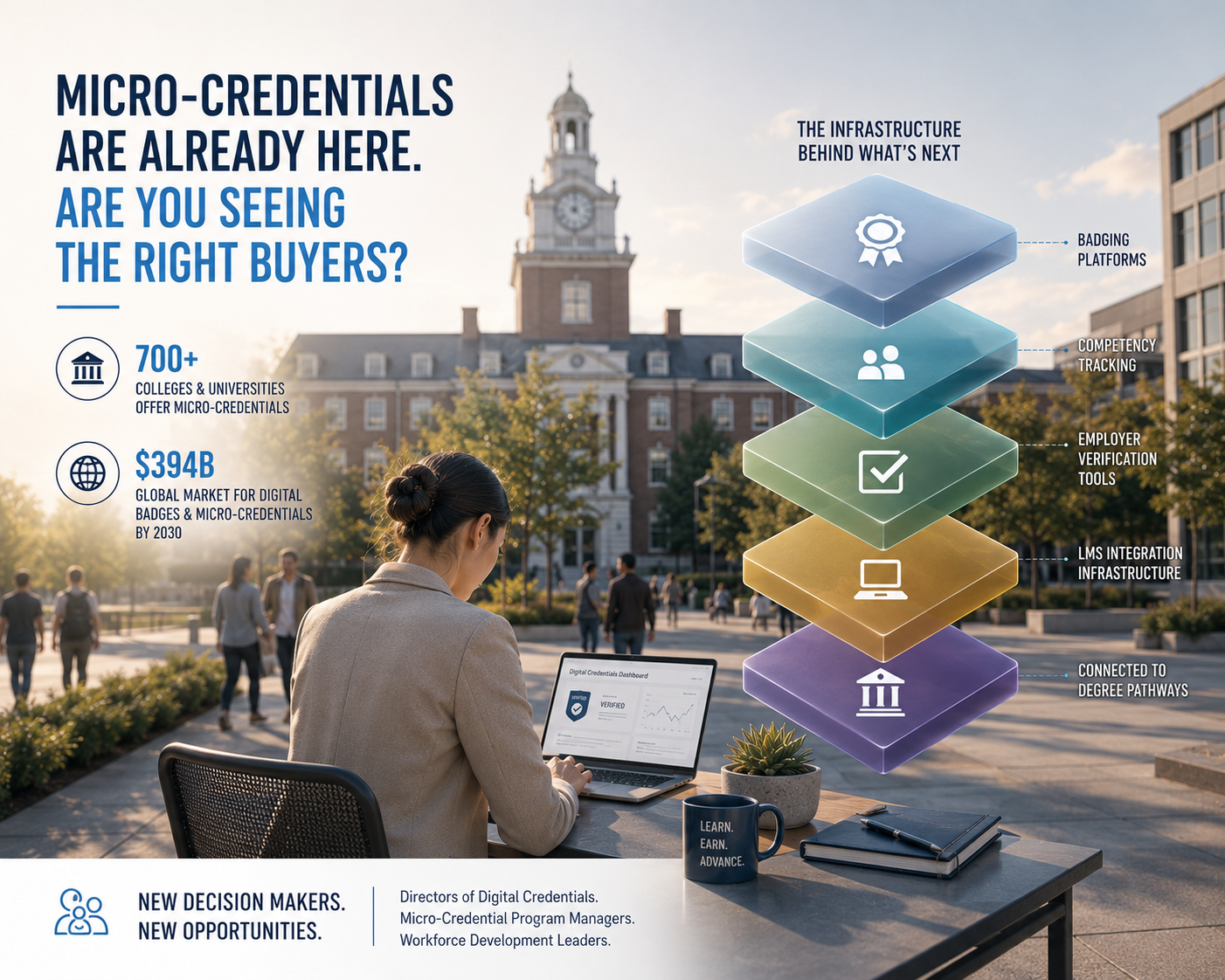
More than 700 colleges now offer micro-credentials. The $394 billion market they are building is purchased by people most college mailing lists have never prioritized.

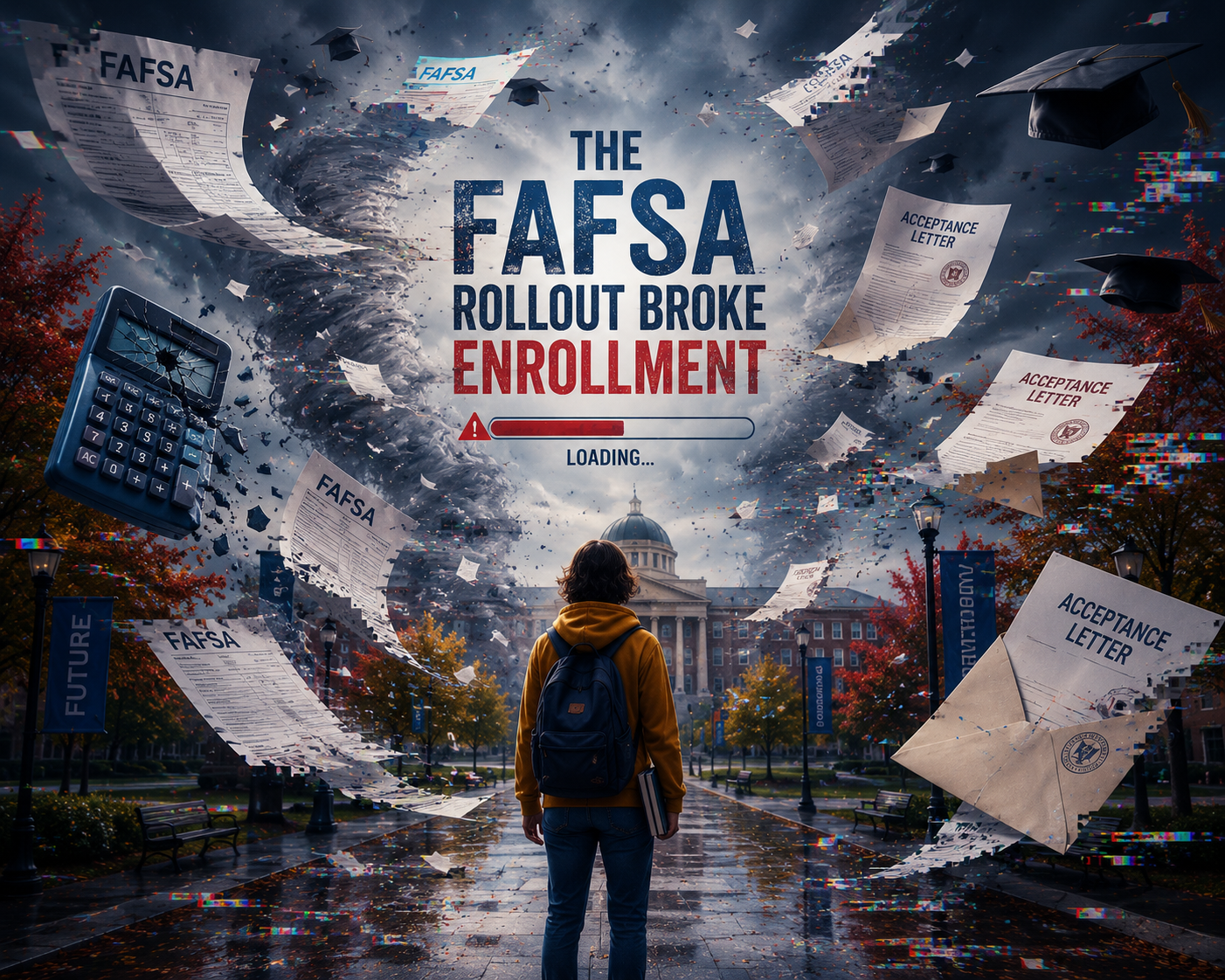
The 2024-25 FAFSA rollout was the most chaotic financial aid cycle in a generation. The emergency technology purchases it triggered are still ongoing.

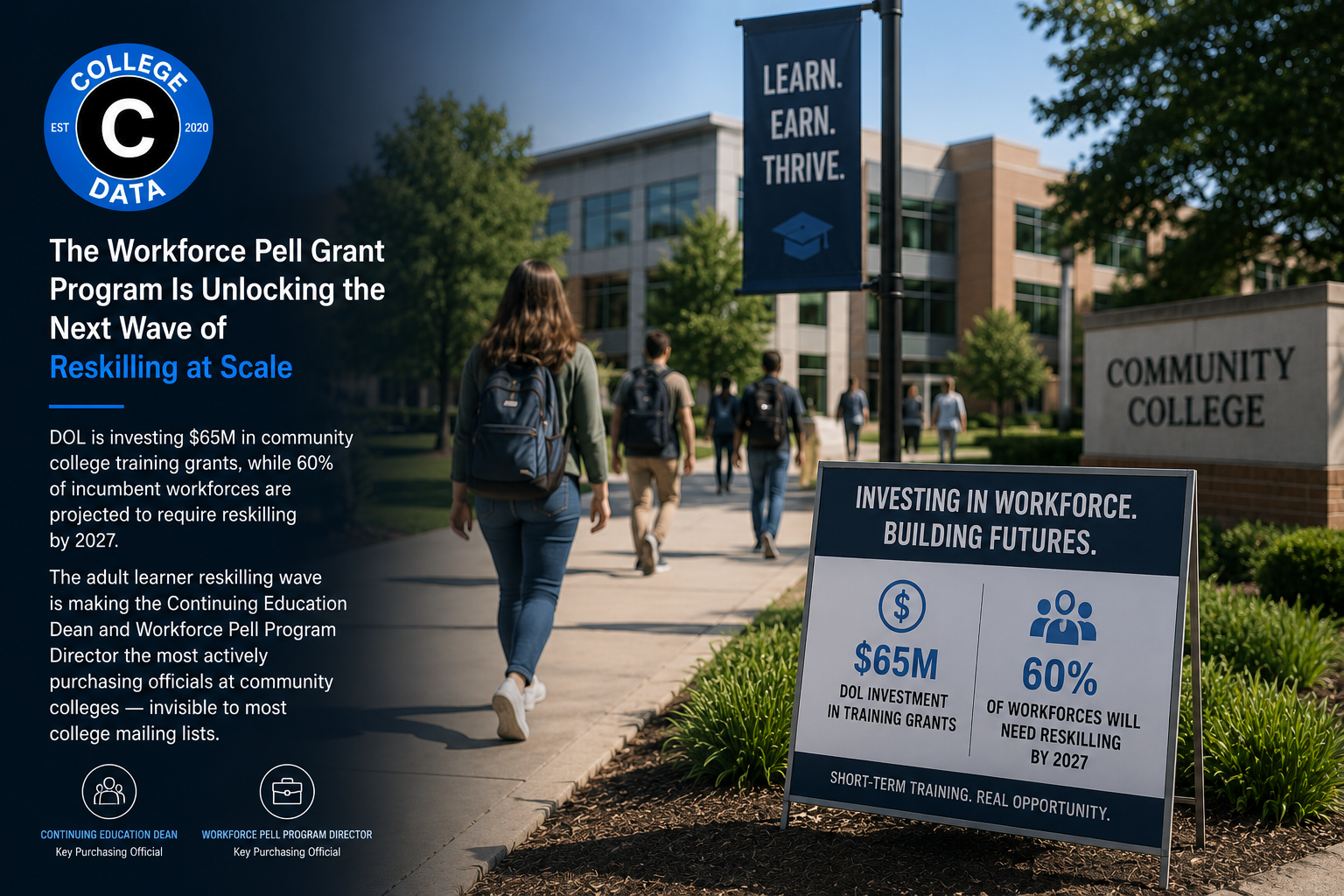
Workforce Pell and the adult learner reskilling wave are making the Continuing Education Dean a primary buyer invisible to most college mailing lists and university email lists.

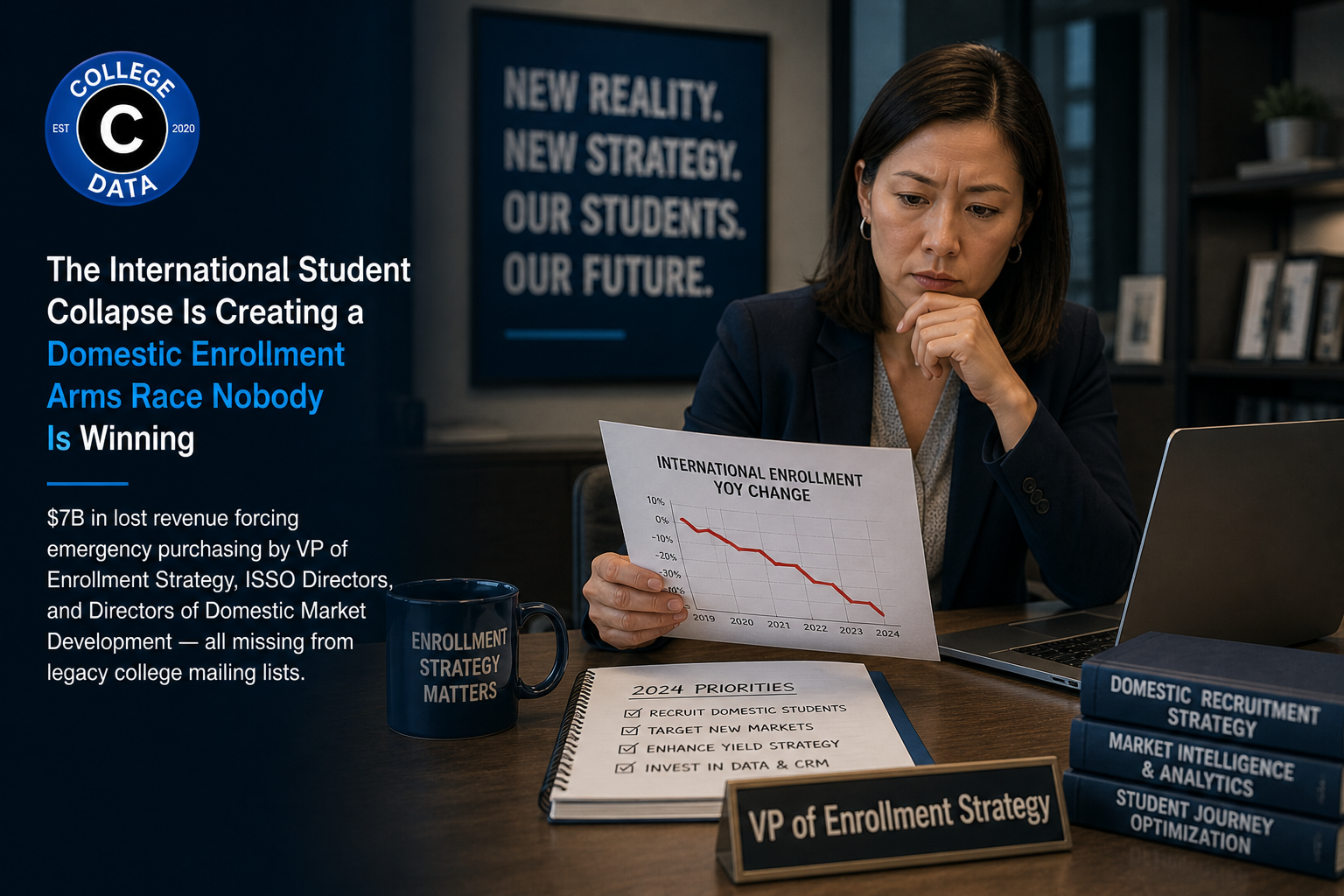
NAFSA projects 150,000 fewer international students in 2025-26. The emergency domestic pivot is driven by contacts most college mailing lists have never included.


Community colleges are the most active buyers in higher education right now. Most college mailing lists miss the contacts controlling the budget. Here is who they are.

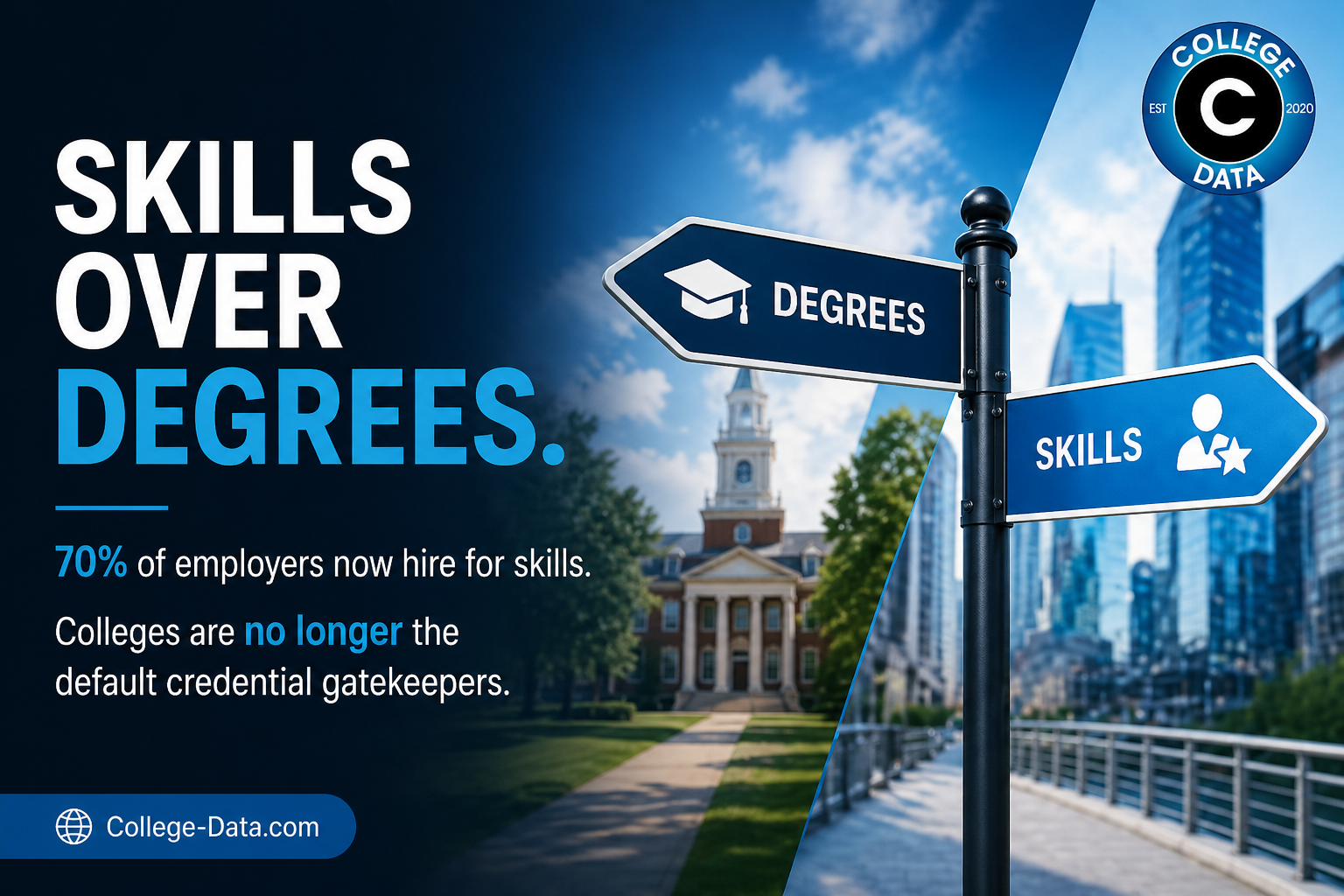
Skills-based hiring now dominates 70% of employer recruitment in 2026. Find out how the degree-to-job pipeline shift is reshaping higher education vendor conversations and why most college mailing lists miss the right contacts.


Colleges are sending admission offers before students even apply. Direct admission is reshaping who reaches higher education — and which institutions find them first.

University mergers and closures in 2026 are rewriting higher ed org charts overnight, making legacy college email lists and administrator contact databases instantly obsolete for vendor outreach.

Employers across every major sector have dropped degree requirements in favor of skills-based hiring. The fallout inside higher education is structural — creating new administrative roles and fundamentally reshaping who controls purchasing decisions on campus.

Universities are restructuring around workforce outcomes in 2026, creating new decision-maker roles that legacy college email lists and university contact databases do not contain. Here is what that means for vendor outreach.