Several institutions cited direct K-12 school partnerships and dedicated enrollment data analysis as key drivers behind this year's enrollment gains, a genuinely different mechanism than broad marketing investment alone.
 0
0


Multiple institutions nationwide, from flagship research universities to smaller regional schools, are simultaneously reporting record enrollment and retention this fall, with sustained student success investment as the common driver.

Michigan's new MI College Match program lets students receive automatic acceptance offers by uploading their transcripts to

The National Student Clearinghouse's Spring 2026 report found postsecondary enrollment reached 18.6 million students, with community colleges growing 3.1 percent and public four-year institutions up 1.5 percent.

UK universities including Leicester and Manchester are rolling out full Microsoft 365 Copilot access campus-wide, signaling a shift from piecemeal AI pilots to whole-institution enterprise procurement.

After wide-ranging academic cuts, one public institution's leaders worked with faculty to make previously doomed programs more efficient and viable instead of eliminating them.

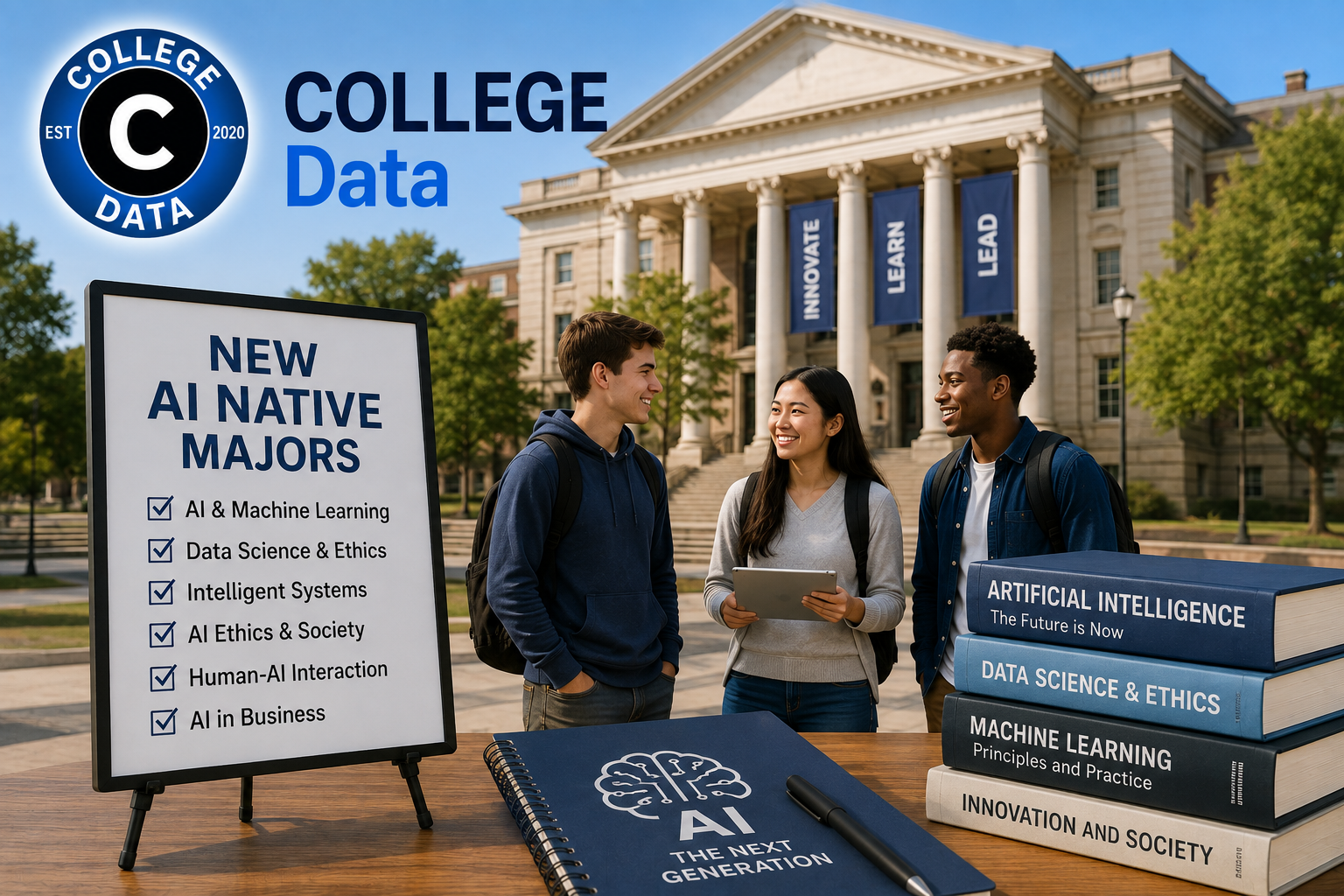
Boston-area colleges are launching entirely new majors built around AI fluency, creating genuine urgency for admissions offices to market these programs effectively.


A coalition of unions has sued the Education Department over a new rule defining what counts as a professional degree for federal loan limit purposes.

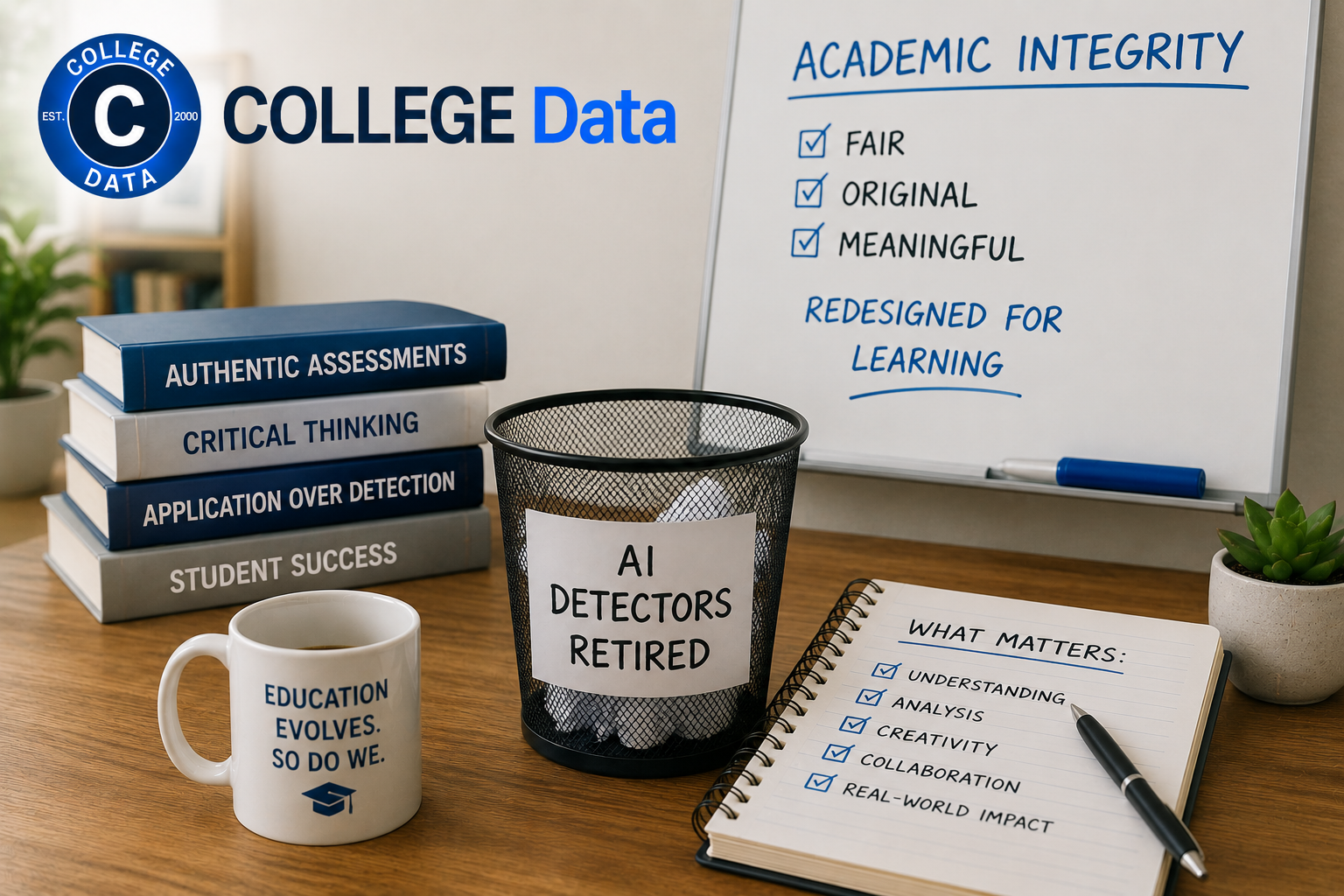
Institutions are abandoning unreliable AI detection tools in favor of redesigned assessments, a genuine, current shift in how academic integrity gets evaluated.

A growing list of elite institutions is reinstating standardized testing requirements after years of test-optional policy, forcing admissions offices to adjust fast.

A new federal cap limiting student visas to four years is colliding directly with PhD and other multi-year graduate programs that routinely run longer.

The Workforce Pell Grant program just launched with Iowa as the first state, creating urgent new funding opportunity community colleges are racing to capture.

International student enrollment is collapsing, with a projected $6.2 billion in lost graduate program revenue by fall 2026, forcing institutions into urgent domestic recruitment mode.

Federal accreditation rules are being rewritten, and colleges now face a genuinely new decision: whether to stay with their current accreditor or evaluate switching.

Federal Gainful Employment and Financial Value Transparency rules just took full effect, forcing institutional research and compliance offices into urgent, immediate action.