Institutions are abandoning unreliable AI detection tools in favor of redesigned assessments, a genuine, current shift in how academic integrity gets evaluated.
 0
0


A growing list of elite institutions is reinstating standardized testing requirements after years of test-optional policy, forcing admissions offices to adjust fast.

A new federal cap limiting student visas to four years is colliding directly with PhD and other multi-year graduate programs that routinely run longer.

The Workforce Pell Grant program just launched with Iowa as the first state, creating urgent new funding opportunity community colleges are racing to capture.

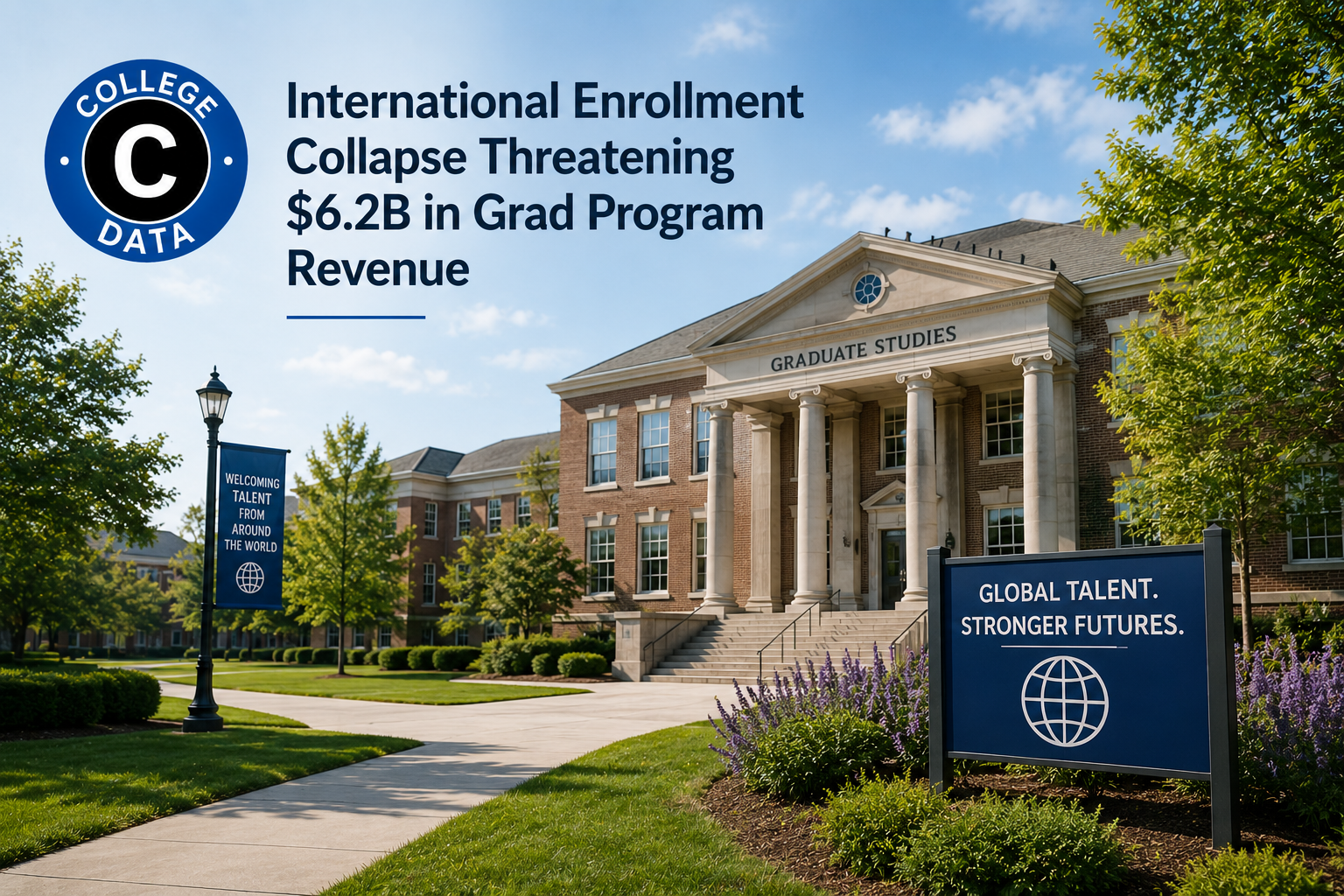
International student enrollment is collapsing, with a projected $6.2 billion in lost graduate program revenue by fall 2026, forcing institutions into urgent domestic recruitment mode.

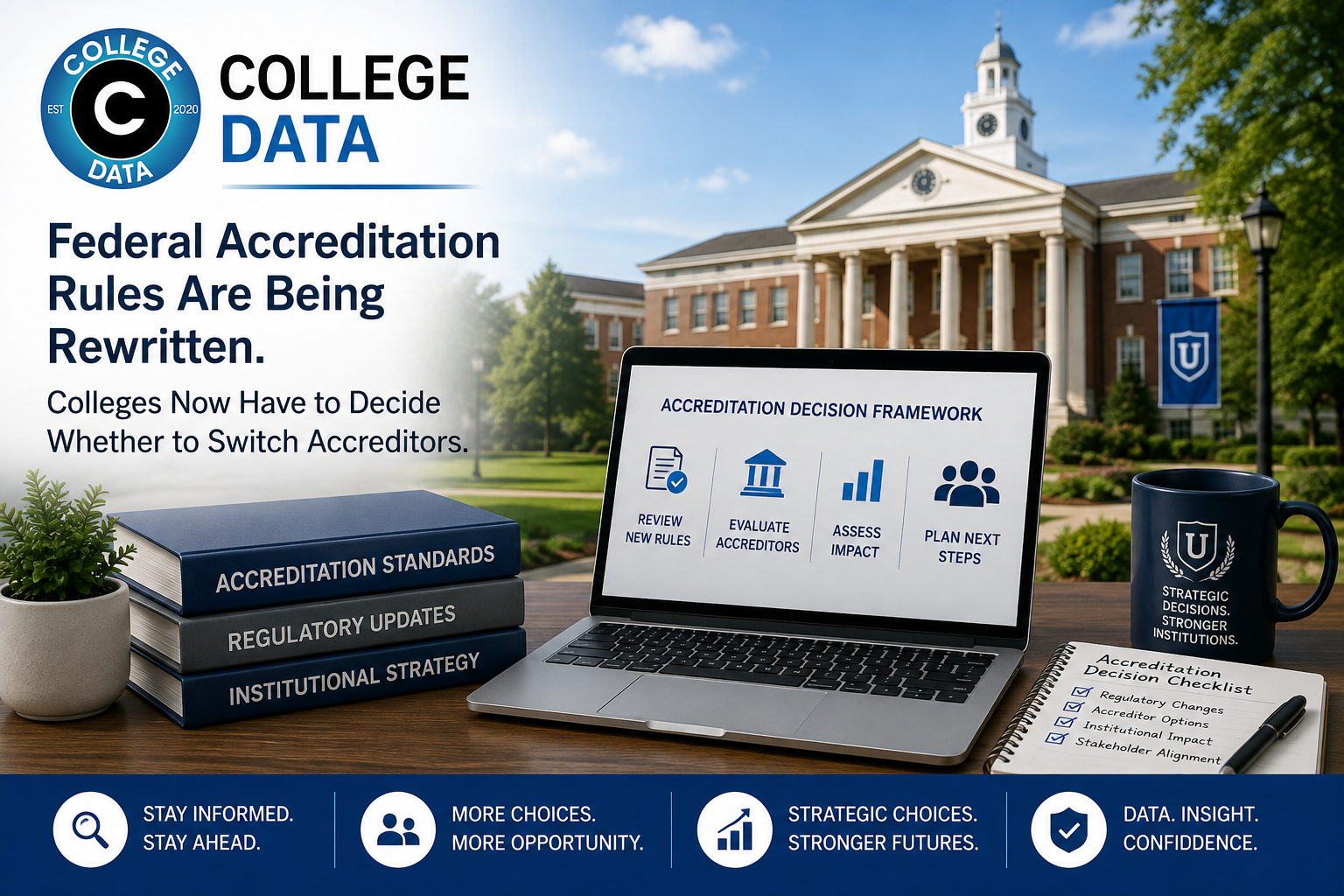
Federal accreditation rules are being rewritten, and colleges now face a genuinely new decision: whether to stay with their current accreditor or evaluate switching.

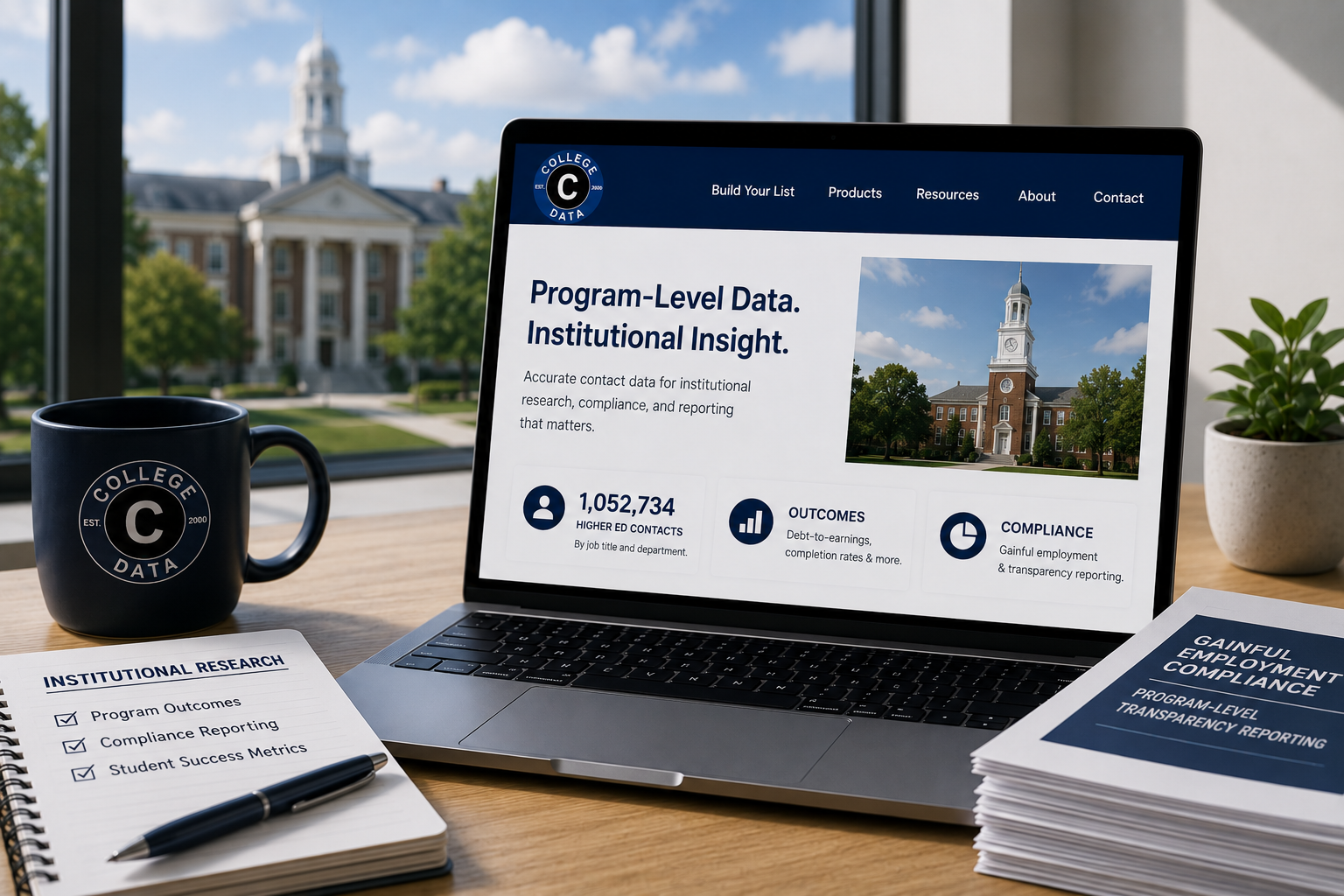
Federal Gainful Employment and Financial Value Transparency rules just took full effect, forcing institutional research and compliance offices into urgent, immediate action.

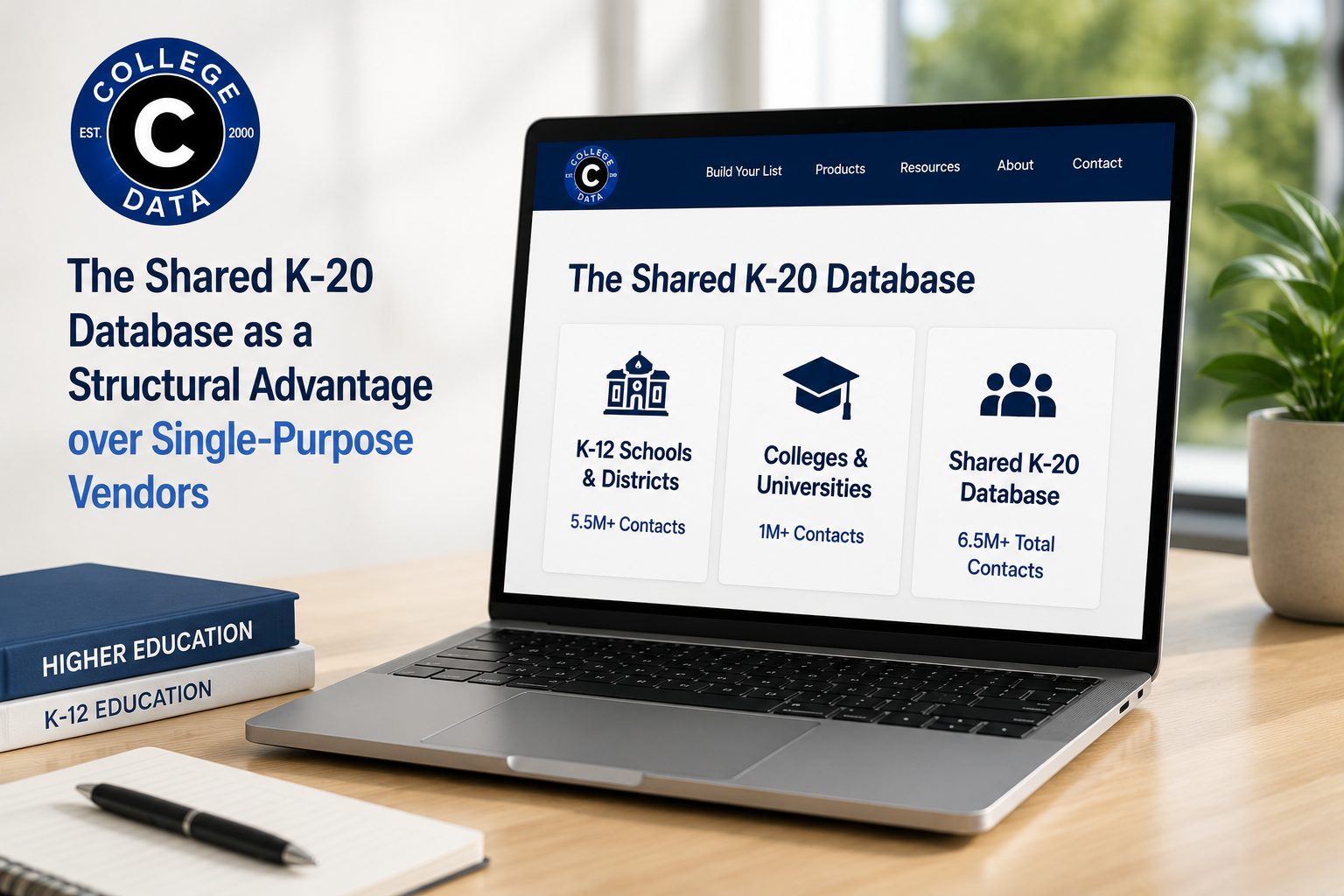
K12 Data, College Data, and K12 Talent share one continuously verified K-20 database, not three separate lists stitched together. That shared infrastructure is a real advantage single-purpose vendors cannot replicate.


New federal borrowing caps and the Grad PLUS phase-out took effect July 1, 2026, squeezing institutional pricing power and forcing a scramble among financial aid and graduate program leaders.

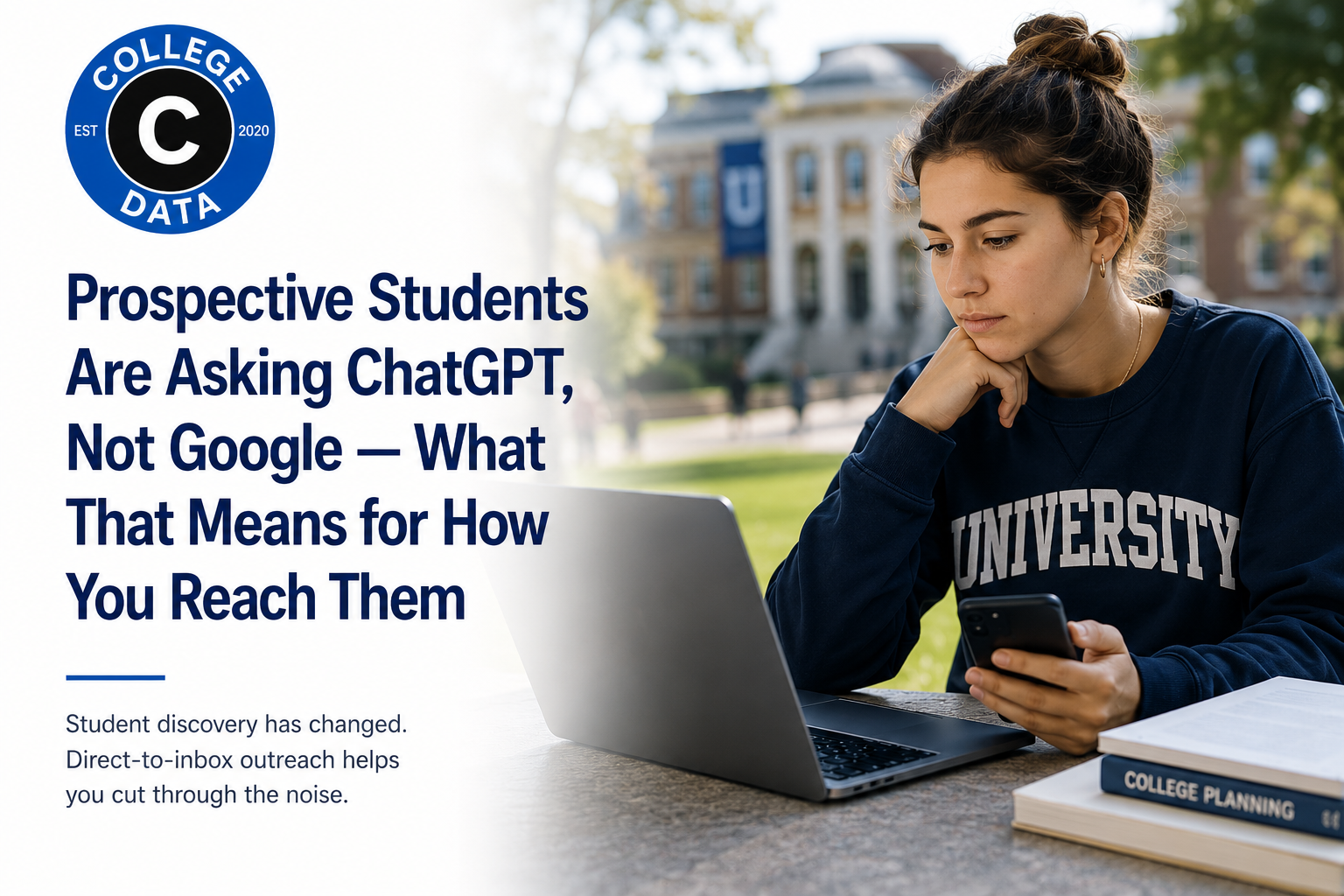
Prospective students now research colleges through AI assistants, not Google. Direct outreach to enrollment and admissions staff matters more as digital discovery fragments.


The 2024-25 FAFSA disaster forced enrollment offices to build their own real-time monitoring infrastructure. Those officials are now significantly more skeptical of vendor-supplied data -- and selling to them requires methodology transparency, not outcome claims.

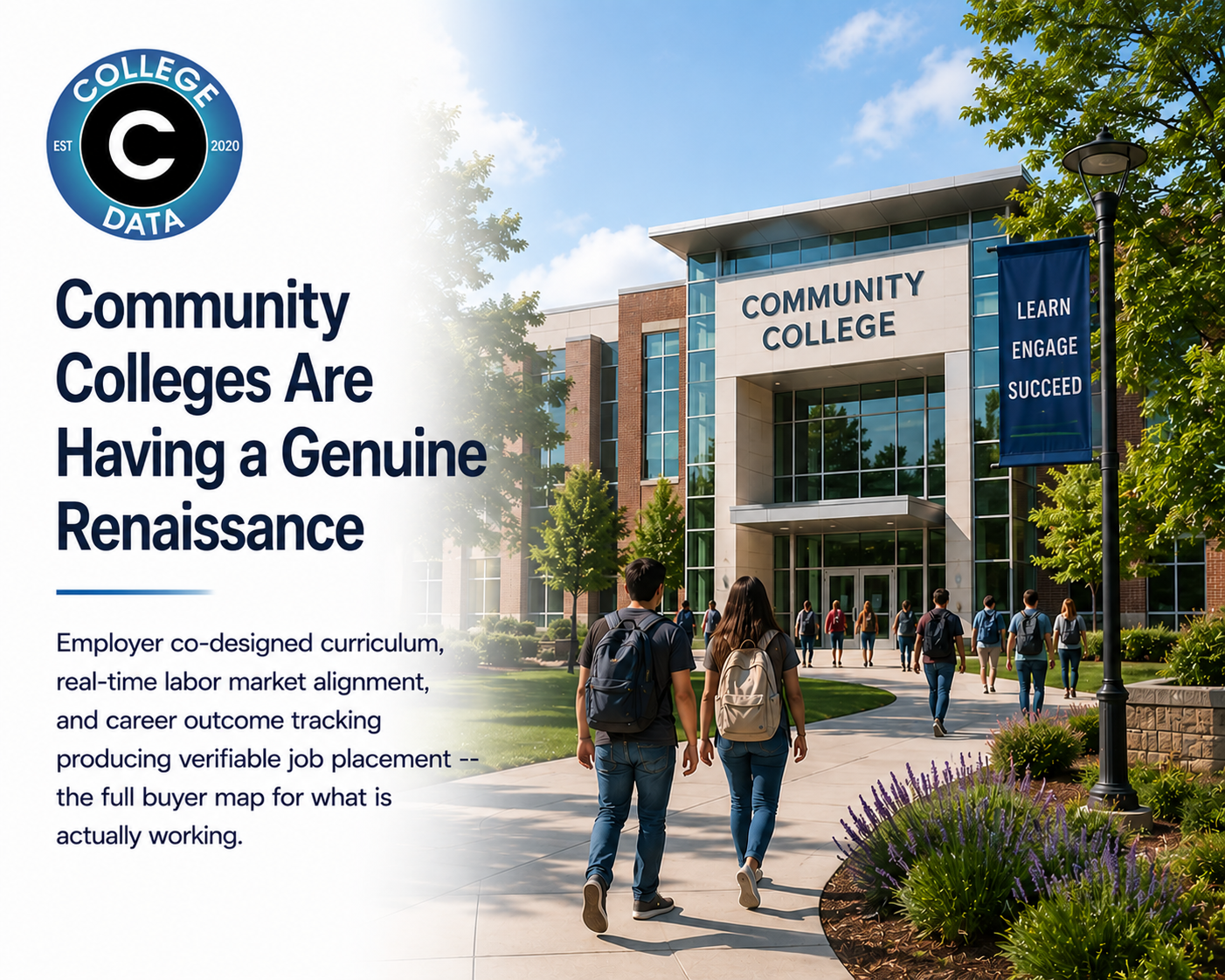
Community colleges were supposed to be losing the narrative to four-year institutions and boot camps. Instead, a meaningful cohort has posted enrollment growth, built employer partnerships, and produced career outcomes that are genuinely turning heads across higher education.

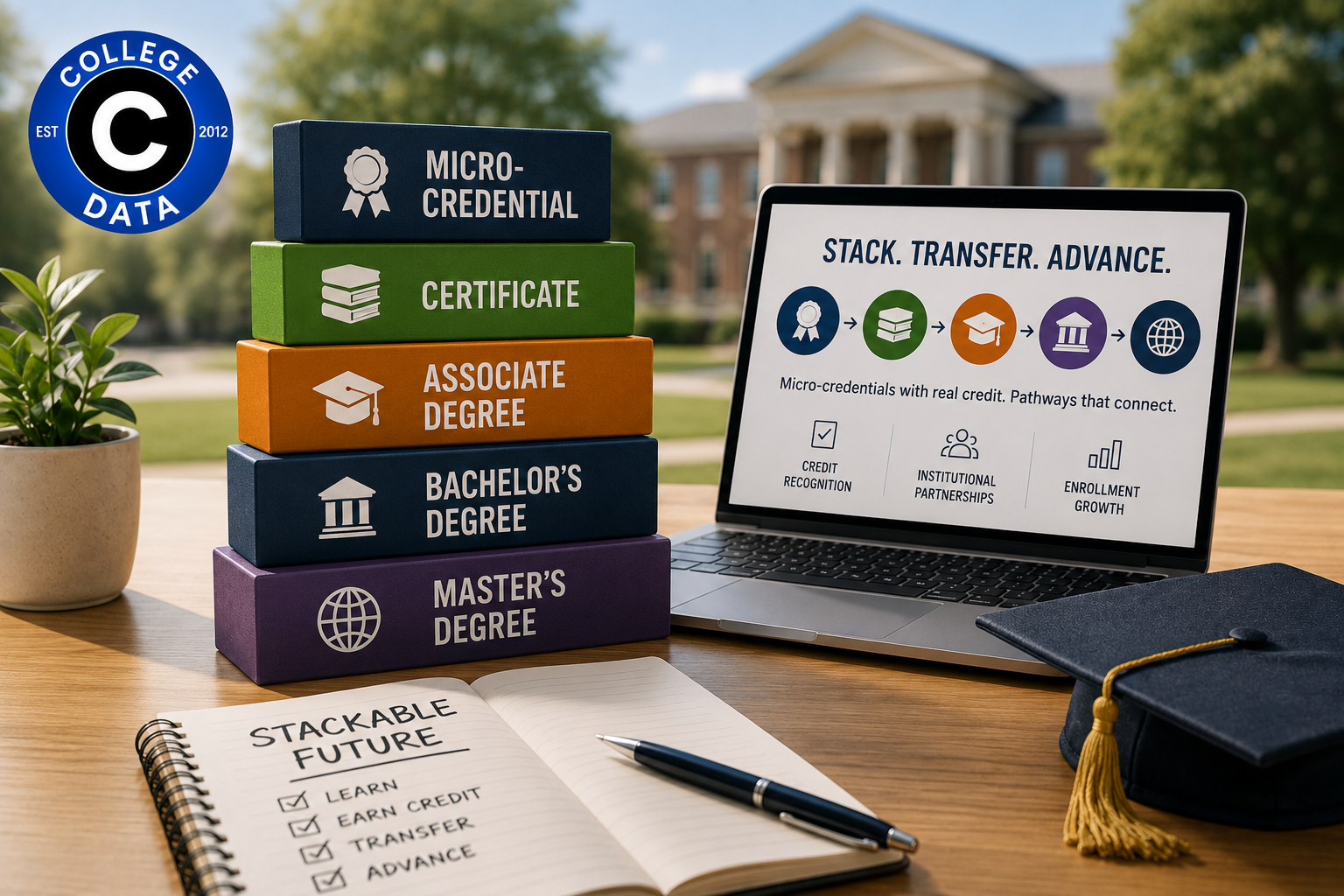
Stackable credentials -- short certificates that earn credit toward longer degrees that earn credit toward advanced credentials -- have gone from a fringe concept to a genuine enrollment and revenue strategy at hundreds of institutions most vendor lists never prioritize.

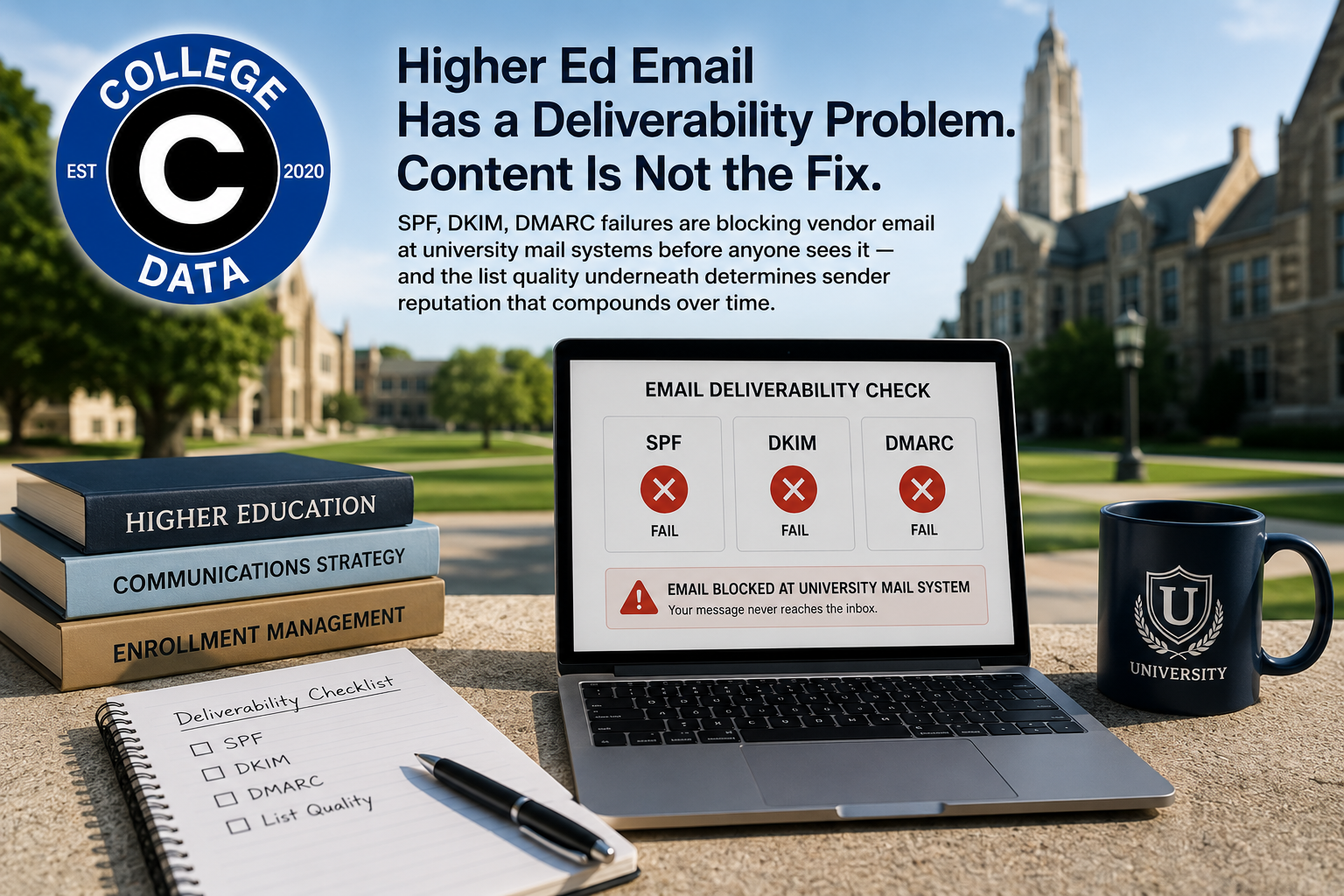
Higher education institutions now filter vendor email aggressively through Microsoft 365 and Google Workspace configurations. Vendors with declining open rates are not losing because their content is bad. They are losing before the email ever reaches the inbox.

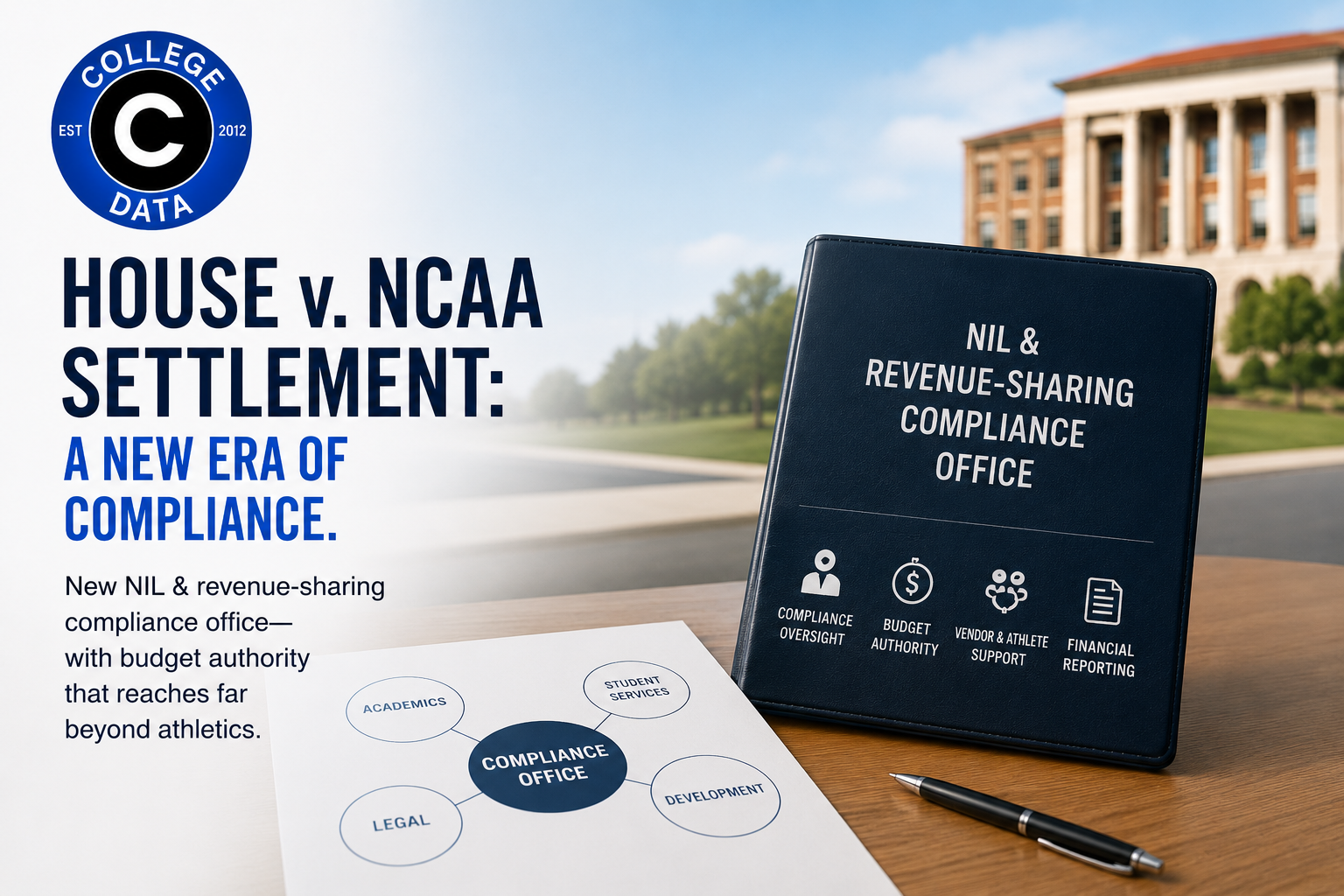
The House v. NCAA settlement created a new revenue-sharing and NIL compliance function at nearly every Division I institution, with its own general manager, its own software